

What is the density of White Phenolic Resin Powder?
Hey there! As a supplier of White Phenolic Resin Powder, I often get asked about its density. So, I thought I'd write this blog to share what I know and answer some common questions.
First off, let's talk about what density means. Density is basically how much mass is packed into a certain volume. In the case of White Phenolic Resin Powder, it tells us how heavy a specific amount of the powder is. This is super important because it can affect how the powder behaves in different applications.
The density of White Phenolic Resin Powder can vary depending on a few factors. One of the main things is the manufacturing process. Different methods can result in powders with slightly different densities. Also, the specific formulation of the resin can play a role. Some formulations might have more additives or fillers, which can change the overall density.
On average, the density of White Phenolic Resin Powder typically ranges from about 1.2 to 1.4 grams per cubic centimeter (g/cm³). But keep in mind, this is just a general range. Some high - quality powders might have a density closer to 1.4 g/cm³, while others could be a bit lower, around 1.2 g/cm³.
Why does the density matter? Well, if you're using the powder in a molding process, for example, a higher - density powder might fill the mold differently than a lower - density one. It can also affect the strength and durability of the final product. A denser powder might result in a stronger, more rigid part, while a less dense one could give a more flexible end - product.
Now, let's look at some related products. If you're interested in other white powders for resin applications, we also offer White Pigment Powder for Resin. This powder can be used to add a bright white color to your resin products. It has its own unique density characteristics, which are optimized for color - adding purposes.
Another option is White Mica Powder for Resin. Mica powder can enhance the mechanical properties of the resin, like improving its heat resistance and electrical insulation. The density of white mica powder is different from that of phenolic resin powder, and it can be used in combination with our White Phenolic Resin Powder for even better results.
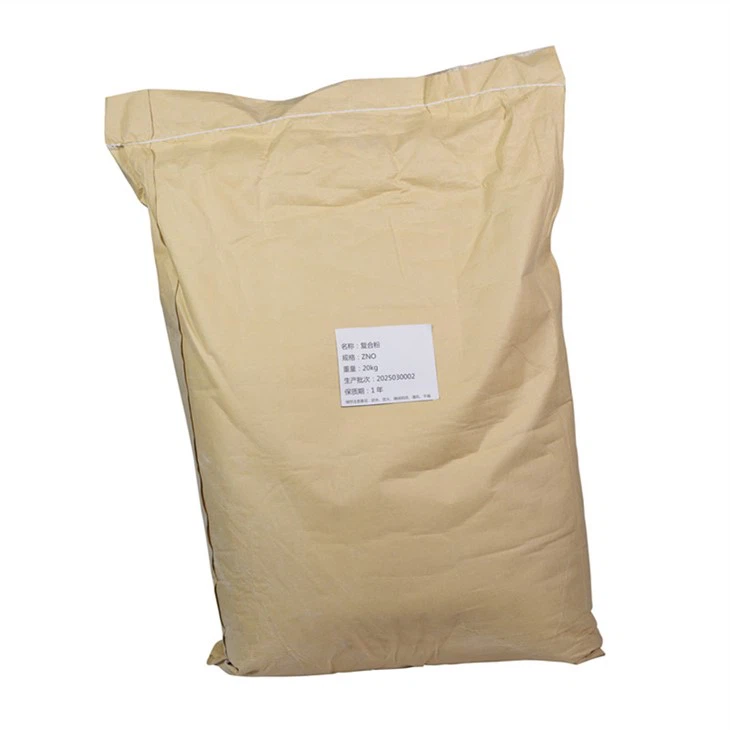

We also have Ceramic White Resin Powder. This powder is known for its high - temperature resistance and excellent hardness. Its density is also carefully controlled during the manufacturing process to ensure consistent performance in high - stress applications.
When it comes to handling White Phenolic Resin Powder, understanding its density can help you with storage and transportation. A denser powder might require stronger containers or more careful handling to prevent spills. And if you're shipping it, the weight (which is related to density) will affect the shipping costs.
In the laboratory, we use precise methods to measure the density of our White Phenolic Resin Powder. We take a known volume of the powder and weigh it accurately. Then, we calculate the density using the formula: density = mass/volume. This ensures that we can provide our customers with accurate density information for each batch of powder.
If you're in the market for White Phenolic Resin Powder or any of our related products, it's important to consider the density based on your specific application. Whether you need a high - density powder for a heavy - duty project or a lower - density one for a more delicate application, we can help you find the right fit.
We're always here to answer any questions you might have about the density or other properties of our products. If you're interested in purchasing, feel free to reach out to us. We can discuss your requirements in detail and provide you with a customized solution. Our team of experts has years of experience in the resin powder industry, and we're committed to providing the best products and service.
So, don't hesitate to get in touch if you're looking for high - quality White Phenolic Resin Powder or any of our other white powders for resin. We're ready to work with you to make your projects a success.
References
- General knowledge of resin powder properties from industry experience
- Technical data sheets from resin powder manufacturing processes