

Can I use a used grinding wheel if it looks okay?
Can I use a used grinding wheel if it looks okay?
In the industrial and manufacturing sectors, grinding wheels are indispensable tools for countless applications. As a trusted grinding wheel supplier, we often encounter a common question from our customers: "Can I use a used grinding wheel if it looks okay?" This is a question that demands careful consideration, as using a used grinding wheel can have significant implications for safety, performance, and overall productivity.
At first glance, a used grinding wheel that appears in good condition may seem like a cost - effective alternative to purchasing a new one. However, several factors need to be taken into account before deciding to reuse a grinding wheel.
Safety Concerns
Safety should always be the top priority when working with any power tool, and grinding wheels are no exception. A used grinding wheel, even if it looks okay on the surface, may have internal damage or structural weaknesses. These issues can lead to catastrophic failures during operation, posing a serious risk of injury to the operator and those in the vicinity.
For example, microscopic cracks can develop in the grinding wheel due to normal wear and tear, exposure to high temperatures, or improper handling. These cracks may not be visible to the naked eye, but they can cause the wheel to shatter when subjected to the stresses of grinding. The fragments of a broken grinding wheel can be propelled at high speeds, causing severe lacerations, eye injuries, or even fatalities.
In addition, the bonding material that holds the abrasive grains together in the grinding wheel can degrade over time. This can lead to the abrasive grains coming loose during operation, increasing the risk of sparks, fire, and inhalation hazards.
Performance Considerations
Even if a used grinding wheel is safe to use, its performance may be significantly compromised. Grinding wheels are designed to wear down gradually during use, and as they do, their cutting efficiency and precision decrease. A used grinding wheel may no longer be able to provide the same quality of finish as a new one, resulting in sub - standard products and increased production costs.
The abrasive grains on a grinding wheel wear out over time, becoming dull and less effective at removing material. This means that the wheel may take longer to grind a workpiece, require more force to operate, and produce more heat. Excessive heat can cause the workpiece to distort or lose its temper, and it can also damage the grinding wheel itself, further reducing its lifespan.
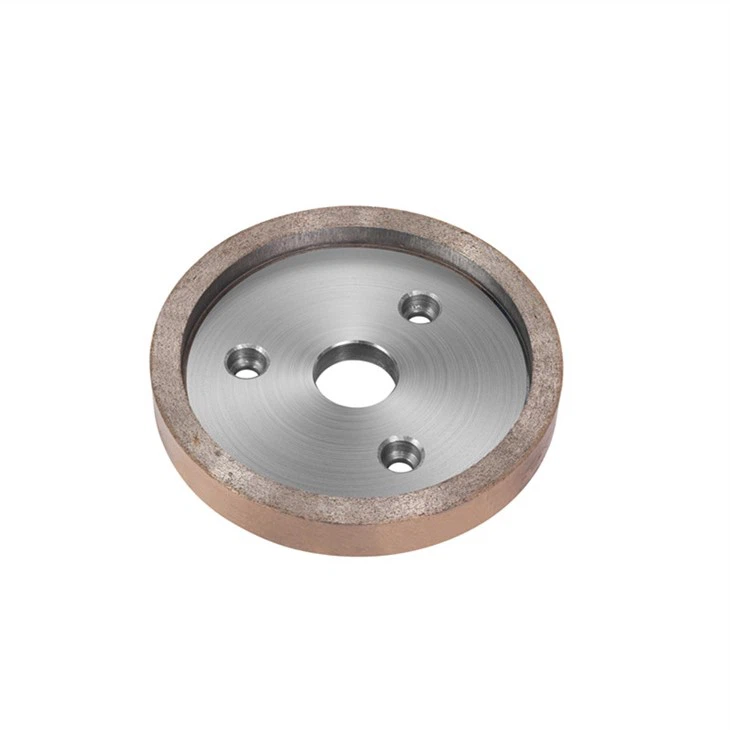
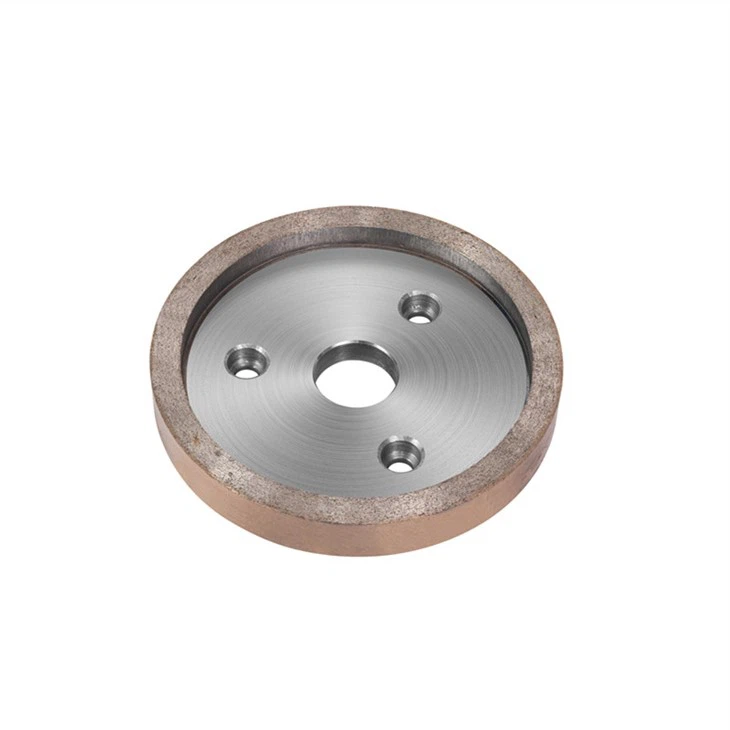
Moreover, the shape and balance of the grinding wheel can change as it wears. An unbalanced grinding wheel can cause vibrations during operation, which can affect the accuracy of the grinding process and lead to premature wear of the machine's components.
Inspection and Testing
Before deciding whether to use a used grinding wheel, it is essential to conduct a thorough inspection and testing process. Visual inspection can reveal some obvious signs of damage, such as cracks, chips, or uneven wear. However, as mentioned earlier, not all defects are visible to the naked eye.
For a more comprehensive assessment, non - destructive testing methods can be used. One common method is the ring test, which involves striking the grinding wheel gently with a non - metallic object, such as a rubber mallet. A sound grinding wheel will produce a clear, ringing sound, while a damaged wheel will produce a dull thud.
Dynamic balancing tests can also be performed to ensure that the grinding wheel rotates smoothly and without excessive vibration. These tests are typically carried out using specialized equipment and are essential for high - speed grinding operations.
Types of Grinding Wheels
We offer a wide range of grinding wheels to meet the diverse needs of our customers. For example, our Grinding Wheels For Casting are specifically designed for use in the casting industry, where they are used to remove excess material, smooth rough surfaces, and prepare the casting for further processing. These wheels are made from high - quality abrasive materials and are designed to provide long - lasting performance and high cutting efficiency.
Our Wet Edge Polishing Wheel is ideal for finishing applications where a smooth and polished surface is required. This wheel uses a wet grinding process, which helps to reduce heat generation and prevent the workpiece from overheating. The wet edge design also helps to improve the accuracy and consistency of the polishing process.
In addition, our Wet Edge Grinding Wheel is suitable for heavy - duty grinding operations where high material removal rates are required. The wet edge design helps to keep the wheel cool and prevents the abrasive grains from clogging, ensuring consistent performance even under demanding conditions.
Conclusion
In conclusion, while a used grinding wheel that looks okay may seem like a viable option, it is not recommended to use it without a thorough inspection and testing. The safety risks associated with using a damaged or worn - out grinding wheel far outweigh the potential cost savings.
As a leading grinding wheel supplier, we are committed to providing our customers with high - quality products and expert advice. If you have any questions about grinding wheels, including whether it is safe to use a used one, please do not hesitate to contact us. Our team of experts will be happy to assist you in making the right decision for your specific needs. Whether you are in the market for a new grinding wheel or need advice on maintaining and inspecting your existing ones, we are here to help. Let's work together to ensure that your grinding operations are safe, efficient, and productive.
References
- American National Standards Institute (ANSI). (2017). ANSI B7.1 - 2017: Safety Requirements for the Use, Care, and Protection of Abrasive Wheels.
- Occupational Safety and Health Administration (OSHA). (2018). Abrasive Wheels. OSHA 3159.
- Grinding Wheel Institute. (2020). Best Practices for Grinding Wheel Safety.