

What are the challenges of using a fiber reinforced grinding disc on ceramics?
What are the challenges of using a fiber reinforced grinding disc on ceramics?
As a supplier of fiber reinforced grinding discs, I've had extensive experience in the field of abrasives and understand the unique challenges that come with using these discs on ceramics. Ceramics, known for their hardness, brittleness, and diverse compositions, present a set of difficulties that require careful consideration when using fiber reinforced grinding discs.
1. Material Hardness and Brittleness
Ceramics are extremely hard materials, often ranking high on the Mohs scale. This hardness means that the abrasive grains on the fiber reinforced grinding disc need to be even harder to effectively grind the ceramic surface. For example, silicon carbide or diamond abrasives are commonly used in such applications due to their superior hardness. However, the brittleness of ceramics poses a significant challenge. During the grinding process, the high forces exerted by the grinding disc can cause the ceramic to crack or chip. This is because ceramics have low fracture toughness, and the stress concentration at the contact point between the grinding disc and the ceramic can lead to sudden and unexpected breakage.

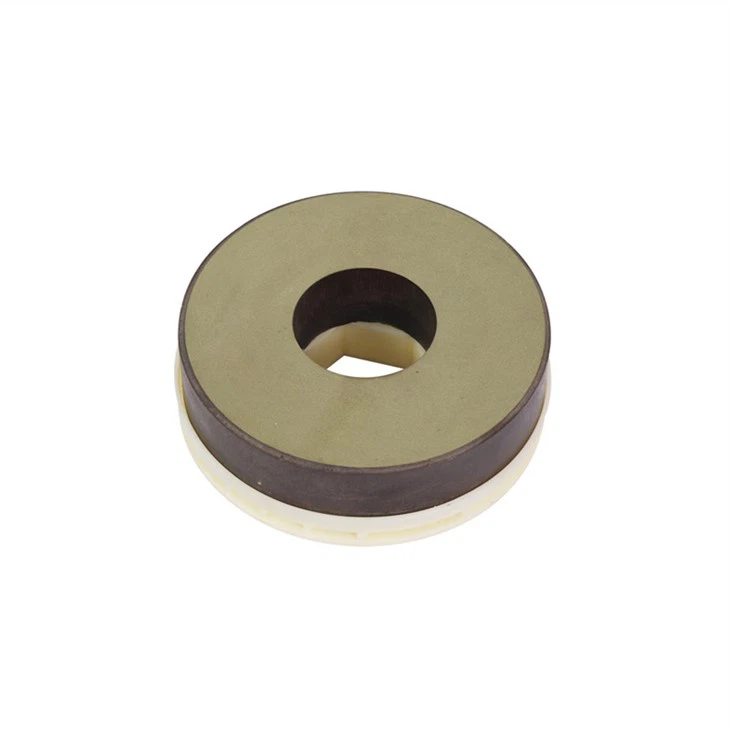
To mitigate this issue, it is crucial to use a grinding disc with the appropriate grit size and bond strength. A finer grit size can reduce the force per abrasive grain, minimizing the risk of cracking. Additionally, a softer bond can allow the abrasive grains to break down and be replaced more easily, preventing excessive pressure on the ceramic surface.
2. Heat Generation
Grinding ceramics generates a significant amount of heat. The high friction between the grinding disc and the ceramic surface can cause the temperature to rise rapidly. Excessive heat can have several negative effects on both the ceramic and the grinding disc. For the ceramic, it can lead to thermal stress, which may result in cracking or warping. On the grinding disc, high temperatures can cause the bond to break down prematurely, reducing the disc's lifespan and performance.
To manage heat generation, it is essential to use coolant or lubricant during the grinding process. Coolants can help dissipate heat, reduce friction, and flush away the grinding debris. Water-based coolants are commonly used in ceramic grinding applications due to their excellent cooling properties and environmental friendliness. However, the type of coolant used should be compatible with the ceramic material and the grinding disc to avoid any chemical reactions or degradation.
3. Surface Finish Requirements
Ceramics often require a high-quality surface finish, especially in applications such as electronics, optics, and medical devices. Achieving the desired surface finish with a fiber reinforced grinding disc can be challenging. The abrasive action of the disc can leave scratches, pits, or unevenness on the ceramic surface. These surface defects can affect the functionality and aesthetics of the ceramic component.
To improve the surface finish, a multi - stage grinding process may be necessary. Starting with a coarser grit size to remove the bulk material and then gradually moving to finer grit sizes can help reduce the surface roughness. Additionally, using a Radiused Felt Polishing Wheel or a Wet Edge Polishing Wheel in the final stages of the process can further enhance the surface quality.
4. Compatibility with Different Ceramic Compositions
Ceramics come in a wide variety of compositions, including alumina, zirconia, silicon carbide, and porcelain. Each ceramic composition has its own unique properties, such as hardness, density, and chemical reactivity. A fiber reinforced grinding disc that works well on one type of ceramic may not be suitable for another.
For example, some ceramics may be more prone to chemical reactions with the abrasive grains or the bond material of the grinding disc. This can lead to contamination of the ceramic surface or degradation of the grinding disc. Therefore, it is important to select a grinding disc that is specifically designed for the particular ceramic composition being processed.
5. Wear and Tear of the Grinding Disc
The hardness of ceramics can cause rapid wear and tear of the fiber reinforced grinding disc. The abrasive grains on the disc are constantly subjected to high forces and friction, which can cause them to wear down or break off. As the disc wears, its cutting ability decreases, and the surface finish of the ceramic may deteriorate.
To extend the lifespan of the grinding disc, proper usage and maintenance are essential. This includes using the correct grinding parameters, such as speed, feed rate, and depth of cut. Regular inspection of the disc for signs of wear and damage is also important. If the disc is worn beyond a certain point, it should be replaced to ensure consistent performance.
6. Cost - Effectiveness
Using fiber reinforced grinding discs on ceramics can be costly. The high - quality abrasive grains and advanced bond materials used in these discs contribute to their relatively high price. Additionally, the need for coolant, lubricant, and proper equipment for heat management and surface finishing adds to the overall cost of the grinding process.
To achieve cost - effectiveness, it is important to optimize the grinding process. This can involve selecting the most appropriate grinding disc for the specific application, using the disc efficiently, and minimizing waste. For example, reusing the coolant and lubricant whenever possible can help reduce costs.
7. Safety Considerations
Grinding ceramics with fiber reinforced grinding discs also poses safety challenges. The high - speed rotation of the disc can cause the abrasive grains and ceramic debris to be ejected at high velocities. These particles can be hazardous to the operator's eyes, skin, and respiratory system.
To ensure safety, operators should wear appropriate personal protective equipment (PPE), such as safety glasses, gloves, and respirators. The grinding area should also be properly ventilated to remove the dust and debris. Additionally, the grinding equipment should be properly maintained and inspected to prevent any mechanical failures.
In conclusion, using a fiber reinforced grinding disc on ceramics presents several challenges related to material properties, heat generation, surface finish, compatibility, wear and tear, cost - effectiveness, and safety. However, with the right selection of grinding discs, proper process optimization, and strict safety measures, these challenges can be overcome.
If you are facing any issues with grinding ceramics or are looking for high - quality fiber reinforced grinding discs, we are here to help. Our team of experts can provide you with the best solutions tailored to your specific needs. We offer a wide range of grinding discs suitable for various ceramic compositions and applications. Contact us to start a procurement discussion and find out how we can improve your ceramic grinding process.
References
- "Ceramic Materials: Science and Engineering" by J. Reed
- "Abrasive Machining Technology" by P. Byrne and G. Rounds
- Industry research reports on ceramic grinding and abrasive products.