

What materials can a Wet Edge Polishing Wheel polish?
As a supplier of Wet Edge Polishing Wheels, I am often asked about the various materials these wheels can polish. Wet Edge Polishing Wheels are versatile tools that find applications in a wide range of industries, from construction to jewelry making. In this blog post, I will explore the different materials that can be effectively polished using Wet Edge Polishing Wheels.
Natural Stone
One of the most common applications of Wet Edge Polishing Wheels is in the polishing of natural stone. Materials such as marble, granite, limestone, and travertine are frequently used in construction for countertops, flooring, and wall cladding. These stones have unique properties, and achieving a high - gloss finish requires specialized tools.
Marble is a soft and porous stone that can be easily scratched. Wet Edge Polishing Wheels are ideal for marble because the water used during the polishing process helps to cool the surface, preventing overheating and reducing the risk of cracking. The wheels can gradually remove scratches and imperfections, leaving a smooth and shiny finish.
Granite, on the other hand, is a much harder stone. It contains quartz, feldspar, and mica, which give it its durability. Wet Edge Polishing Wheels with the appropriate grit can cut through the tough surface of granite, exposing a polished layer. The water also helps to flush away the dust generated during the polishing process, which is beneficial for both the tool and the operator's health.
Limestone and travertine are sedimentary rocks. They are often used in decorative applications due to their unique textures and colors. Wet Edge Polishing Wheels can enhance the natural beauty of these stones by bringing out their colors and creating a smooth finish. Whether it's a limestone fireplace surround or a travertine patio, these wheels can make a significant difference in the final appearance.
Ceramic and Porcelain
Ceramic and porcelain tiles are widely used in bathrooms, kitchens, and other areas of the home. Over time, these tiles can become dull or scratched. Wet Edge Polishing Wheels can be used to restore their shine. The wheels can be adjusted to different grits, allowing for a gentle polish on delicate porcelain or a more aggressive cut on thicker ceramic tiles.
Porcelain tiles are denser and harder than ceramic tiles. They are often used in high - traffic areas because of their durability. Wet Edge Polishing Wheels can remove minor scratches and stains from porcelain tiles, making them look new again. The water used in the process helps to prevent the tiles from cracking or chipping during the polishing.
Ceramic tiles, although less dense than porcelain, can also benefit from the use of Wet Edge Polishing Wheels. Whether it's a small repair job or a large - scale restoration project, these wheels can provide a cost - effective solution for improving the appearance of ceramic tiles.
Glass
Glass is another material that can be polished using Wet Edge Polishing Wheels. From glass tabletops to glass shower enclosures, there are many applications where a smooth and shiny finish is desired. The wheels can be used to remove scratches, polish edges, and create a high - gloss surface.
When polishing glass, it is important to use the correct grit of the Wet Edge Polishing Wheel. A fine - grit wheel is typically used for the final polish to achieve a clear and reflective surface. The water helps to lubricate the wheel and the glass, reducing friction and preventing the glass from overheating and cracking.
In addition to flat glass, Wet Edge Polishing Wheels can also be used to polish curved or irregularly shaped glass. This makes them a valuable tool for glass artists and manufacturers who work with custom - made glass pieces.
Metals
Certain metals can also be polished using Wet Edge Polishing Wheels. Stainless steel, for example, is a popular material in the kitchen and industrial applications. Over time, stainless steel can develop scratches and lose its shine. Wet Edge Polishing Wheels can be used to restore its original luster.
The water used during the polishing process helps to prevent the stainless steel from overheating, which can cause discoloration. The wheels can be used to remove light scratches and create a smooth, mirror - like finish. Other metals such as aluminum and brass can also be polished with these wheels, although the appropriate grit and polishing technique may vary depending on the metal's properties.
Composite Materials
Composite materials are becoming increasingly popular in various industries. These materials are made by combining two or more different materials to create a new material with enhanced properties. Examples of composite materials include engineered stone, which is a combination of natural stone chips and resin, and fiberglass composites.
Wet Edge Polishing Wheels can be used to polish composite materials to achieve a smooth and uniform finish. The water helps to cool the surface and prevent the resin in engineered stone from melting during the polishing process. For fiberglass composites, the wheels can remove surface imperfections and create a glossy appearance.
Comparison with Other Tools
When considering the use of Wet Edge Polishing Wheels, it's important to understand how they compare with other related tools. For example, Dry Squaring Wheel is mainly used for cutting and squaring materials. It operates without the use of water, which makes it suitable for some dry - cutting applications. However, when it comes to achieving a high - quality polish, Wet Edge Polishing Wheels are more effective as the water helps in cooling and preventing damage to the material.
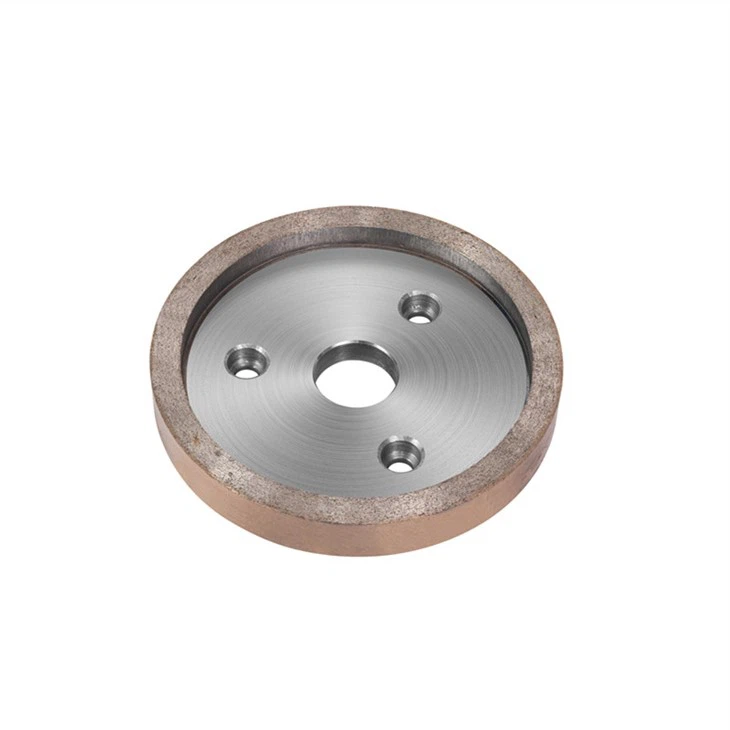

Polishing Pads are another option for polishing. They are often used for smaller or more delicate surfaces. While polishing pads can provide a good finish, Wet Edge Polishing Wheels can cover larger areas more quickly and are more suitable for heavy - duty polishing tasks.
Wet Edge Grinding Wheel is similar to the Wet Edge Polishing Wheel but is typically used for more aggressive grinding operations. Once the grinding is done, the Wet Edge Polishing Wheel can be used to achieve the final polished finish.
Conclusion
In conclusion, Wet Edge Polishing Wheels are highly versatile tools that can polish a wide range of materials, including natural stone, ceramic and porcelain, glass, metals, and composite materials. Their ability to work with water provides several advantages, such as cooling the surface, reducing dust, and preventing damage to the material being polished.
If you are in need of high - quality Wet Edge Polishing Wheels for your polishing projects, whether it's a small DIY job or a large - scale industrial application, I encourage you to contact me for a detailed discussion. We can explore the best solutions for your specific needs and ensure that you get the most out of our products.
References
- "Handbook of Stone Polishing Technology"
- "Ceramic and Porcelain Tile Maintenance and Restoration Guide"
- "Glass Polishing Techniques and Best Practices"
- "Metal Finishing and Polishing Manual"