

What is the difference between white pigment powder and liquid white pigment for resin?
When working with resin, the choice between white pigment powder and liquid white pigment can significantly impact the outcome of your project. As a supplier of White Pigment Powder for Resin, I've witnessed firsthand the diverse needs and preferences of resin artists and manufacturers. In this blog, I'll delve into the key differences between these two forms of white pigment, helping you make an informed decision for your next resin endeavor.
Composition and Form
The most obvious difference between white pigment powder and liquid white pigment lies in their physical states. White pigment powder is a dry, granular substance, typically made from finely ground inorganic materials such as titanium dioxide, zinc oxide, or calcium carbonate. These powders are highly concentrated and offer intense coloration. On the other hand, liquid white pigment is a suspension of pigment particles in a liquid medium, often a resin-compatible solvent or binder. This form is pre-dispersed, making it easier to mix into resin.
Mixing and Dispersion
Mixing white pigment powder into resin requires more effort compared to liquid white pigment. The powder needs to be thoroughly dispersed to avoid clumping and ensure an even color distribution. This often involves using a high-speed mixer or a spatula to break down the powder particles and integrate them into the resin. In contrast, liquid white pigment can be easily stirred into the resin with minimal effort. The pre-dispersed nature of the liquid form allows for quick and uniform mixing, saving time and reducing the risk of uneven coloration.
Color Intensity and Opacity
White pigment powder generally offers higher color intensity and opacity than liquid white pigment. The concentrated nature of the powder allows for a more vibrant and opaque white color, making it ideal for projects where a bright, solid white is desired. Liquid white pigment, while still capable of providing good coverage, may require multiple coats or a higher volume to achieve the same level of opacity as the powder. However, the choice between the two also depends on the specific application and the desired effect.
Shelf Life and Stability
White pigment powder has a longer shelf life compared to liquid white pigment. The dry form is less prone to degradation and can be stored for extended periods without significant changes in quality. Liquid white pigment, on the other hand, may be more susceptible to settling, separation, or chemical reactions over time. Proper storage conditions, such as keeping the liquid pigment in a cool, dark place and shaking it well before use, can help maintain its stability.
Cost and Efficiency
In terms of cost, white pigment powder is often more cost-effective than liquid white pigment. The powder is typically sold in larger quantities at a lower price per unit, making it a more economical choice for large-scale projects. However, the additional time and effort required for mixing and dispersion need to be considered when evaluating the overall cost. Liquid white pigment may be more expensive per unit, but its ease of use and quick mixing can offset the higher cost in some cases.
Applications
Both white pigment powder and liquid white pigment have a wide range of applications in the resin industry. White pigment powder is commonly used in applications where high opacity and color intensity are required, such as in the production of Ceramic White Resin Powder for ceramics and White Bonded Abrasive Powder for abrasive products. Liquid white pigment, on the other hand, is often preferred for smaller projects, art and craft applications, or when a more convenient mixing process is desired.
Conclusion
In conclusion, the choice between white pigment powder and liquid white pigment for resin depends on several factors, including the specific application, desired color intensity and opacity, mixing requirements, shelf life, cost, and personal preference. As a supplier of White Pigment Powder for Resin, I'm committed to providing high-quality products and expert advice to help you achieve the best results in your resin projects.
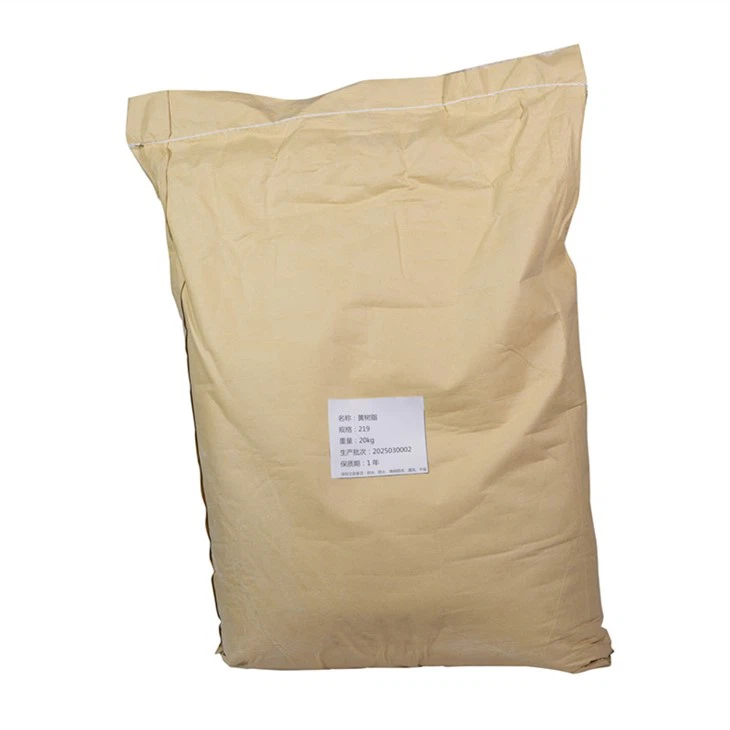

If you're interested in learning more about our white pigment powder or have any questions about choosing the right pigment for your resin application, please don't hesitate to contact us. We'd be happy to discuss your needs and assist you in making the right choice.
References
- "Pigments for Resins: A Comprehensive Guide." Resin Technology Journal, Vol. 15, No. 2, 2023.
- "The Science of Pigment Dispersion in Resins." Polymer Science Review, Vol. 22, No. 3, 2022.
- "Comparative Study of Powder and Liquid Pigments in Resin Applications." Journal of Applied Resin Chemistry, Vol. 18, No. 4, 2021.