

What grinding wheel is best for rust removal?
Rust is a common nuisance that can affect the appearance and functionality of various metal objects. Whether it's a piece of antique furniture with metal accents, industrial machinery, or automotive parts, getting rid of rust is a task many of us face. As a grinding wheel supplier, I've seen firsthand the different types of grinding wheels used for rust removal, and I'm here to share my insights on which ones are the best for the job.
Understanding Rust and the Role of Grinding Wheels
Before we dive into the best grinding wheels for rust removal, let's quickly understand what rust is and how grinding wheels work to remove it. Rust is essentially iron oxide, which forms when iron or steel comes into contact with oxygen and moisture. It weakens the metal and can cause it to deteriorate over time.
Grinding wheels are abrasive tools that use friction to remove material from a surface. When it comes to rust removal, they work by physically grinding away the rust layer, revealing the clean metal underneath. Different types of grinding wheels have different abrasive materials, grit sizes, and bonding agents, which affect their performance in rust removal.
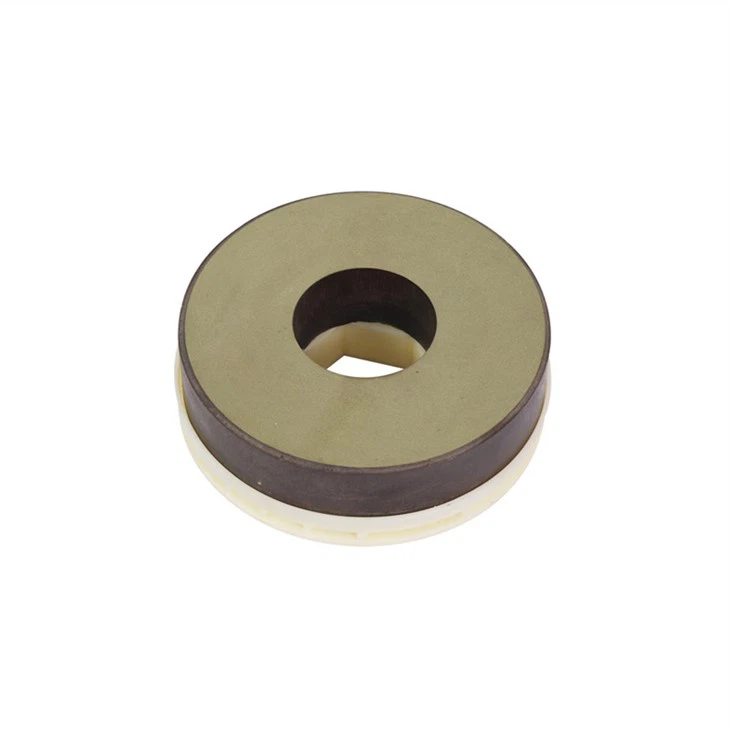
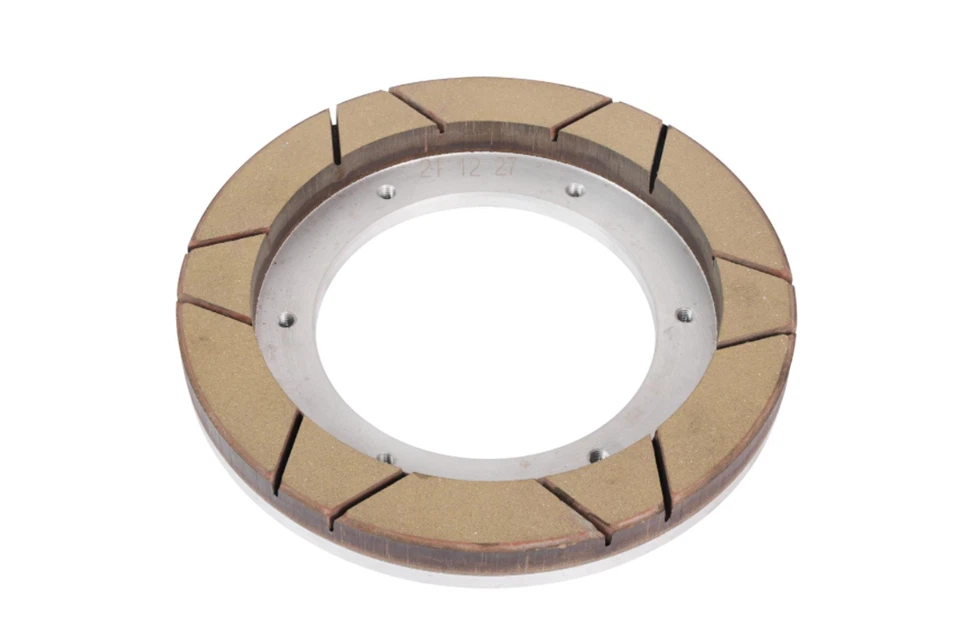
Types of Grinding Wheels for Rust Removal
1. Aluminum Oxide Grinding Wheels
Aluminum oxide is one of the most common abrasive materials used in grinding wheels. These wheels are great for rust removal because they're tough and can withstand high temperatures. They're also relatively inexpensive, making them a popular choice for both DIYers and professionals.
Aluminum oxide grinding wheels come in different grit sizes. For rust removal, a medium to coarse grit (around 36 - 60 grit) is usually recommended. Coarser grits will remove rust more quickly, but they may also leave a rougher surface finish. If you want a smoother finish after rust removal, you can follow up with a finer grit wheel.
2. Silicon Carbide Grinding Wheels
Silicon carbide is another abrasive material used in grinding wheels. These wheels are harder and more brittle than aluminum oxide wheels. They're particularly effective for removing rust from non - ferrous metals like aluminum and brass, as well as for finishing operations.
Silicon carbide wheels are available in a wide range of grit sizes. For rust removal, a medium grit (around 60 - 80 grit) is often a good choice. They can cut through rust quickly and leave a relatively smooth surface. However, they may not be as durable as aluminum oxide wheels when used on ferrous metals.
3. Diamond Grinding Wheels
Diamond grinding wheels are the most expensive option, but they're also the most effective for rust removal in some cases. Diamonds are the hardest known material, so these wheels can cut through even the toughest rust and scale.
They're commonly used in industrial applications where precision and high - speed rust removal are required. Diamond grinding wheels are available in different bond types, such as resin bond and metal bond. Resin - bonded diamond wheels are more flexible and are suitable for finishing operations, while metal - bonded wheels are more rigid and are better for heavy - duty rust removal.
4. Flap Wheels
Flap wheels are made up of multiple layers of abrasive flaps that are attached to a backing. They're great for rust removal because they can conform to the shape of the workpiece, making them ideal for curved or irregular surfaces.
Flap wheels come in different abrasive materials, including aluminum oxide and silicon carbide. They're available in various grit sizes, so you can choose the right one for your rust removal needs. A medium grit flap wheel (around 80 - 120 grit) is often a good choice for general rust removal.
Specialty Grinding Wheels for Rust Removal
1. Dry Squaring Wheel
Dry squaring wheels are designed for precision grinding and can also be used for rust removal. They're typically made with a high - quality abrasive material and a strong bonding agent. These wheels can provide a flat and smooth surface after rust removal, which is important for applications where dimensional accuracy is required.
2. Grinding Wheels For Casting
Casting parts often have rust and scale on their surfaces. Grinding wheels for casting are specifically designed to handle the tough conditions of removing rust and other impurities from cast metal. They're usually made with a coarse grit and a durable abrasive material to quickly and effectively remove rust from castings.
3. Polishing Wheel Wool
While not strictly a grinding wheel, a wool polishing wheel can be used after rust removal to give the metal a smooth and shiny finish. After using a grinding wheel to remove the rust, a wool polishing wheel can be used with a polishing compound to buff the surface and remove any remaining scratches or marks.
Factors to Consider When Choosing a Grinding Wheel for Rust Removal
1. Type of Metal
The type of metal you're working on is an important factor to consider. As mentioned earlier, different abrasive materials are better suited for different metals. For example, aluminum oxide wheels are great for ferrous metals like iron and steel, while silicon carbide wheels are better for non - ferrous metals.
2. Rust Thickness
The thickness of the rust layer also plays a role in choosing the right grinding wheel. If the rust is thick, a coarser grit wheel will be more effective at removing it quickly. For thin rust layers, a finer grit wheel may be sufficient to remove the rust and leave a smooth surface.
3. Surface Finish Requirements
If you need a smooth surface finish after rust removal, you'll need to choose a grinding wheel accordingly. Finer grit wheels will leave a smoother finish, but they may take longer to remove the rust. You may also need to use a finishing wheel, such as a Polishing Wheel Wool, to achieve the desired finish.
4. Wheel Speed and Compatibility
Make sure the grinding wheel you choose is compatible with your grinder. Check the maximum operating speed of the wheel and make sure your grinder can operate at or below that speed. Using a wheel at a speed higher than its rated speed can be dangerous and may cause the wheel to break.
Safety Precautions
Rust removal with grinding wheels can be dangerous if proper safety precautions aren't taken. Here are some important safety tips:
- Wear Protective Gear: Always wear safety glasses, a face shield, gloves, and a dust mask. Grinding wheels can produce sparks, dust, and debris, which can cause eye injuries, skin irritation, and respiratory problems.
- Inspect the Wheel: Before using a grinding wheel, inspect it for cracks, chips, or other damage. A damaged wheel can break during use, which can be extremely dangerous.
- Follow the Manufacturer's Instructions: Read and follow the manufacturer's instructions for both the grinding wheel and the grinder. This includes proper installation, operation, and maintenance.
Conclusion
Choosing the best grinding wheel for rust removal depends on several factors, including the type of metal, rust thickness, and surface finish requirements. Aluminum oxide and silicon carbide wheels are great all - around options, while diamond wheels are ideal for heavy - duty and precision applications. Flap wheels are perfect for curved or irregular surfaces.
If you're still not sure which grinding wheel is right for your rust removal project, don't hesitate to reach out. As a grinding wheel supplier, I have the knowledge and experience to help you make the best choice. Whether you're a professional in the industry or a DIY enthusiast, I can provide you with high - quality grinding wheels that meet your needs. Contact me for more information and to start your procurement process. Let's get rid of that rust together!
References
- "Grinding Wheel Selection Guide" - Industrial Abrasives Handbook
- "Rust Removal Techniques and Tools" - Metalworking Magazine