

What are the raw materials for the production of White Phenolic Resin Powder?
White phenolic resin powder is a versatile and widely used material in various industries, including abrasives, laminates, friction materials, and foundry. As a supplier of white phenolic resin powder, I often receive inquiries about the raw materials used in its production. In this blog post, I will delve into the key raw materials that go into making this valuable product.
Phenol
Phenol is the primary building block of phenolic resins. It is an aromatic organic compound with the chemical formula C₆H₅OH. Phenol is derived from coal tar or petroleum through a series of chemical processes. In the production of white phenolic resin powder, phenol reacts with formaldehyde in the presence of a catalyst to form the resin structure.
Phenol provides several important properties to the resin, such as high heat resistance, chemical resistance, and mechanical strength. The quality and purity of phenol can significantly affect the performance of the final resin product. Therefore, it is crucial to use high - quality phenol in the manufacturing process.
Formaldehyde
Formaldehyde is another essential raw material for white phenolic resin powder production. It is a colorless, flammable gas with a pungent odor, having the chemical formula CH₂O. In industrial applications, formaldehyde is commonly used in the form of an aqueous solution called formalin.
During the resin synthesis, formaldehyde reacts with phenol to form methylene bridges between the phenol molecules, creating a three - dimensional network structure. The amount of formaldehyde used in the reaction, as well as the reaction conditions, can influence the properties of the resulting resin, such as its molecular weight, cross - linking density, and curing characteristics.
Catalysts
Catalysts play a vital role in the production of white phenolic resin powder. They are used to accelerate the reaction between phenol and formaldehyde. There are two main types of catalysts used in phenolic resin synthesis: acidic catalysts and basic catalysts.
Acidic catalysts, such as hydrochloric acid, sulfuric acid, or oxalic acid, are typically used to produce novolac resins. Novolac resins are thermoplastic in nature and require a curing agent, usually hexamethylenetetramine, to cross - link and become thermosetting.
Basic catalysts, like sodium hydroxide, potassium hydroxide, or ammonia, are used to produce resole resins. Resole resins are thermosetting resins that can cure upon heating without the need for an additional curing agent. The choice of catalyst depends on the desired properties of the final resin product and the specific application requirements.
Modifiers
In some cases, modifiers are added to the white phenolic resin powder to enhance its performance or to meet specific application needs. These modifiers can include various chemicals and additives.
Fillers
Fillers are often added to improve the mechanical properties, reduce costs, and adjust the physical characteristics of the resin. Common fillers used in phenolic resin production include wood flour, mica, glass fibers, and silica. For example, wood flour can improve the impact resistance and machinability of the resin, while glass fibers can enhance its strength and stiffness.
Plasticizers
Plasticizers are used to increase the flexibility and toughness of the resin. They work by reducing the intermolecular forces between the resin molecules, allowing them to move more freely. Phthalates and adipates are examples of plasticizers that can be used in phenolic resin formulations.
Pigments
Pigments are added to give the white phenolic resin powder its characteristic white color. High - quality White Pigment Powder for Resin is carefully selected to ensure good color stability, lightfastness, and dispersion in the resin matrix. Titanium dioxide is one of the most commonly used white pigments due to its high refractive index, excellent hiding power, and chemical stability.
Solvents
Solvents are used in the production process to dissolve the raw materials, control the viscosity of the reaction mixture, and facilitate the mixing and processing of the resin. Common solvents used in phenolic resin production include methanol, ethanol, and acetone.
The choice of solvent depends on factors such as its solubility in the resin system, its boiling point, and its environmental and safety considerations. After the resin synthesis, the solvent is usually removed through a distillation or evaporation process to obtain the dry white phenolic resin powder.
Applications of White Phenolic Resin Powder
The unique properties of white phenolic resin powder make it suitable for a wide range of applications.
Abrasives
In the abrasive industry, White Bonded Abrasive Powder is used as a bonding agent for abrasive grains. The high heat resistance and mechanical strength of the resin ensure that the abrasive tools can withstand the high pressures and temperatures generated during grinding and cutting operations.
Laminates
White phenolic resin powder is used in the production of laminates for decorative and industrial applications. The resin provides excellent adhesion, chemical resistance, and electrical insulation properties, making it ideal for use in printed circuit boards, countertops, and wall panels.
Friction Materials
In the automotive and aerospace industries, phenolic resins are used in the manufacture of friction materials such as brake pads and clutch facings. The high heat resistance and friction coefficient of the resin help to ensure reliable braking and clutch performance.
Foundry
In the foundry industry, white phenolic resin powder is used as a binder for sand molds and cores. The resin provides good strength and dimensional stability to the molds, allowing for the production of high - quality castings.
Quality Control in Raw Material Selection
As a supplier of white phenolic resin powder, I understand the importance of quality control in raw material selection. We work closely with our raw material suppliers to ensure that they meet our strict quality standards.
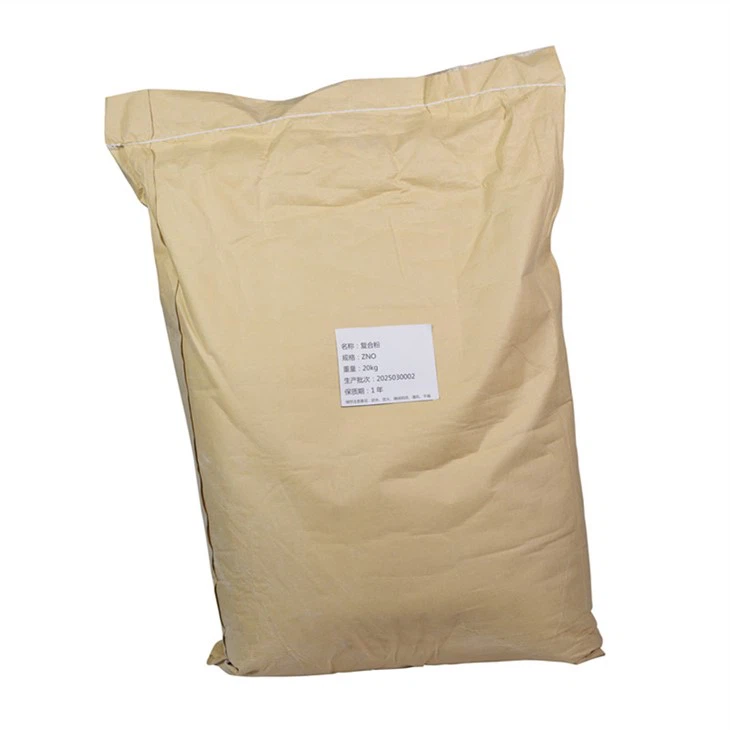

We conduct regular inspections and tests on the incoming raw materials to verify their purity, chemical composition, and physical properties. This includes tests such as gas chromatography, infrared spectroscopy, and viscosity measurements. By maintaining strict quality control over the raw materials, we can ensure the consistent quality of our white phenolic resin powder products.
Conclusion
The production of white phenolic resin powder involves a complex process that requires the careful selection and combination of several raw materials. Phenol, formaldehyde, catalysts, modifiers, and solvents all play crucial roles in determining the properties and performance of the final resin product.
As a leading supplier of white phenolic resin powder, we are committed to using high - quality raw materials and advanced manufacturing processes to produce products that meet the diverse needs of our customers. Whether you are in the abrasive, laminate, friction material, or foundry industry, our Ceramic White Resin Powder can provide you with reliable and high - performance solutions.
If you are interested in learning more about our white phenolic resin powder products or would like to discuss your specific requirements, please feel free to contact us. We look forward to the opportunity to work with you and to provide you with the best possible products and services.
References
- "Phenolic Resins: Chemistry, Applications, Standardization, Safety and Ecology" by M. I. Bessonov, M. M. Koton, V. V. Kudryavtsev, and L. A. Laius.
- "Handbook of Thermoset Plastics" by James E. McGrath and Charles A. May.
- "Plastic Additives: An A - Z Reference" by Geoffrey Pritchard.