

What are the packaging options for Ceramic White Resin Powder?
When it comes to the packaging of Ceramic White Resin Powder, as a supplier, I understand the importance of choosing the right options. The right packaging not only protects the product during storage and transit but also maintains its quality and integrity. In this blog, I will explore various packaging options available for Ceramic White Resin Powder, highlighting their features, advantages, and considerations.
1. Plastic Bags
Plastic bags are one of the most common packaging options for Ceramic White Resin Powder. They are cost - effective, lightweight, and easy to handle. High - density polyethylene (HDPE) or low - density polyethylene (LDPE) bags are often used.
Features
- HDPE bags are known for their strength and durability. They can withstand a certain amount of pressure and are resistant to punctures. LDPE bags, on the other hand, are more flexible and have good sealing properties.
- These bags can be customized with different sizes and thicknesses according to the quantity of the resin powder to be packed.
Advantages
- Cost - efficiency: Plastic bags are relatively inexpensive compared to other packaging materials, which helps in reducing the overall packaging cost.
- Lightweight: This reduces the shipping weight and, consequently, the transportation cost.
- Easy to label: Labels can be easily attached to plastic bags, providing important information such as product name, batch number, and safety instructions.
Considerations
- Moisture protection: Although plastic bags can provide some level of moisture resistance, they may not be completely air - tight. In humid environments, there is a risk of moisture ingress, which can affect the quality of the resin powder.
- Static electricity: Plastic bags can generate static electricity, which may cause the powder to stick to the bag walls, making it difficult to empty the contents.
2. Paper Bags
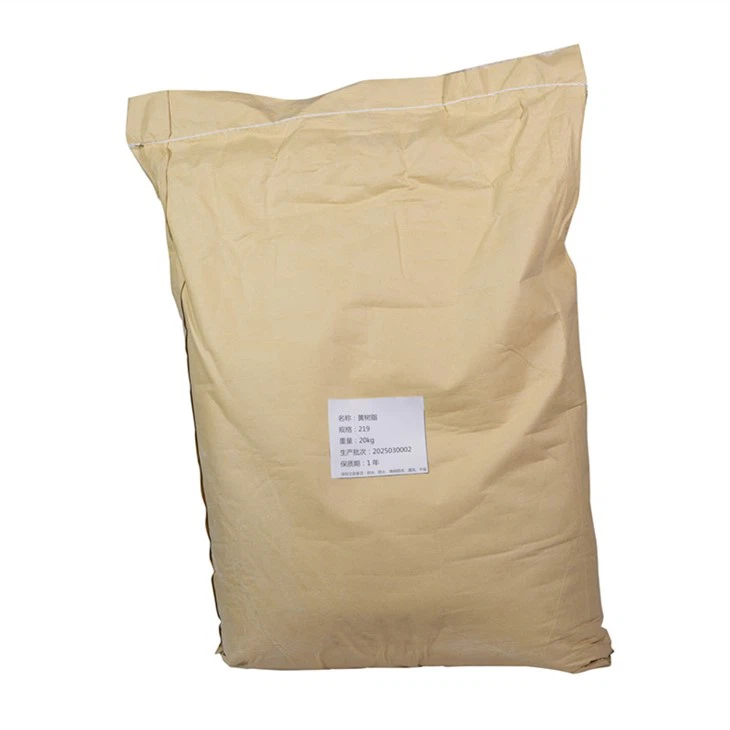
Paper bags are another popular choice for packaging Ceramic White Resin Powder. They are environmentally friendly and offer good breathability.
Features
- Kraft paper is commonly used for making these bags. It has a high strength - to - weight ratio and can be coated with a thin layer of polyethylene to enhance its moisture resistance.
- Paper bags can be designed with different closures, such as heat - sealed, glued, or stitched.
Advantages
- Environmental friendliness: Paper is a renewable resource, and paper bags are biodegradable and recyclable.
- Breathability: This can prevent the build - up of moisture and gases inside the bag, which is beneficial for the long - term storage of the resin powder.
- Printability: Paper bags offer excellent printability, allowing for detailed product information and branding to be displayed.
Considerations
- Durability: Paper bags are less resistant to tearing and abrasion compared to plastic bags. They may require additional protection during handling and transportation.
- Moisture sensitivity: Even with a polyethylene coating, paper bags are more susceptible to moisture damage than plastic bags in extremely humid conditions.
3. Drums
Drums are a more heavy - duty packaging option suitable for larger quantities of Ceramic White Resin Powder. They are typically made of metal (such as steel) or plastic.
Features
- Steel drums are extremely strong and can withstand rough handling. They are available in different sizes, ranging from 20 - liter to 200 - liter drums.
- Plastic drums are lightweight, corrosion - resistant, and offer good chemical compatibility with the resin powder.
Advantages
- High capacity: Drums can hold a large amount of resin powder, which is ideal for bulk shipments.
- Durability: They provide excellent protection against physical damage, such as impacts and vibrations during transportation.
- Reusability: Both steel and plastic drums can be reused multiple times, reducing waste and cost in the long run.
Considerations
- Cost: Drums are more expensive than bags, both in terms of the initial purchase cost and the cost of transportation due to their weight.
- Storage space: Drums require more storage space compared to bags, which can be a challenge for some facilities.
4. Intermediate Bulk Containers (IBCs)
IBCs are large - volume containers that are suitable for storing and transporting large quantities of Ceramic White Resin Powder. They are usually made of a combination of a plastic inner liner and a metal or plastic outer frame.
Features
- The plastic inner liner provides a barrier against moisture and contamination, while the outer frame provides structural support.
- IBCs are equipped with a valve or a spigot for easy filling and emptying of the powder.
Advantages
- High capacity: IBCs can hold up to 1000 liters of resin powder, making them suitable for large - scale production and distribution.
- Easy handling: They are designed with forklift pockets or pallet bases, which allows for easy movement using standard handling equipment.
- Reduced packaging waste: Since IBCs can be reused, they generate less waste compared to single - use packaging options.
Considerations
- Cost: IBCs are relatively expensive to purchase and maintain.
- Cleaning: After each use, IBCs need to be thoroughly cleaned to prevent cross - contamination between different batches of resin powder.
5. Pails
Pails are small - to - medium - sized containers that are often used for packaging Ceramic White Resin Powder for smaller customers or for sample shipments. They are typically made of plastic.
Features
- Plastic pails come in various sizes, usually ranging from 1 - liter to 20 - liter capacities. They have a tight - fitting lid to prevent leakage.
- Some pails may have a handle for easy carrying.
Advantages
- Convenience: Pails are easy to handle and store, especially for small - scale users.
- Customization: They can be customized with different colors and labels to meet specific customer requirements.
- Cost - effective for small quantities: For customers who only need a small amount of resin powder, pails are a more cost - effective option compared to larger packaging containers.
Considerations

- Limited capacity: Pails have a relatively small capacity, so they may not be suitable for large - scale production or bulk shipments.
Conclusion
As a supplier of Ceramic White Resin Powder, choosing the right packaging option is crucial. Each packaging option has its own set of features, advantages, and considerations. Plastic bags are cost - effective and lightweight, paper bags are environmentally friendly, drums and IBCs are suitable for bulk shipments, and pails are convenient for small quantities.
When selecting a packaging option, factors such as the quantity of the powder, the storage and transportation conditions, the customer's requirements, and the cost should all be taken into account. If you are interested in our Ceramic White Resin Powder and would like to discuss the best packaging option for your needs, please feel free to contact us for procurement negotiations. We are committed to providing high - quality products and customized packaging solutions to meet your specific requirements.
References
- Packaging Technology Handbook, Third Edition, edited by Wilmer A. Jenkins and James P. Harrington
- Handbook of Food Packaging, Second Edition, edited by Yam K.L. and Lee S.Y.