

Is white resin powder environmentally friendly?
In the contemporary industrial landscape, the environmental impact of materials is a topic of paramount importance. As a supplier of white resin powder, I am frequently confronted with the question: Is white resin powder environmentally friendly? This blog post aims to delve into this complex issue, exploring the various aspects of white resin powder's environmental footprint.
Understanding White Resin Powder
White resin powder encompasses a diverse range of products with distinct properties and applications. For instance, Ceramic White Resin Powder is often used in ceramic manufacturing due to its high whiteness and excellent heat resistance. White Pigment Powder for Resin is employed to impart color and opacity to resin - based products, while White Bonded Abrasive Powder finds its use in abrasive tools.
Raw Materials and Production Process
The environmental friendliness of white resin powder begins with its raw materials. Many white resin powders are synthesized from petrochemical - derived monomers. The extraction and processing of these petrochemicals are energy - intensive and can have significant environmental impacts, including greenhouse gas emissions and habitat destruction. However, some manufacturers are now exploring the use of bio - based raw materials. These bio - based alternatives are derived from renewable resources such as plant oils and starches, which can reduce the reliance on fossil fuels and lower the carbon footprint of the production process.
In the production process, energy consumption is a major concern. Traditional manufacturing methods often require high temperatures and pressures, which consume large amounts of electricity and fuel. To address this issue, some advanced production technologies have been developed. For example, continuous polymerization processes can reduce energy consumption by optimizing reaction conditions and minimizing waste. Additionally, the implementation of waste heat recovery systems can further improve energy efficiency by reusing the heat generated during the production process.
Environmental Impact during Use
During the use phase, the environmental performance of white resin powder varies depending on its application. In the case of Ceramic White Resin Powder used in ceramic manufacturing, it can enhance the strength and durability of ceramic products, which may extend their service life. Longer - lasting products mean less frequent replacement, thus reducing the overall consumption of resources.
On the other hand, when White Pigment Powder for Resin is used in plastic products, there is a risk of microplastic pollution. If these plastic products are not properly disposed of, they can break down into microplastics over time, which can enter the environment and pose a threat to aquatic and terrestrial ecosystems. However, some white pigment powders are designed to be more stable and less likely to release microplastics.
For White Bonded Abrasive Powder used in abrasive tools, the dust generated during the grinding process can be a health and environmental hazard. To mitigate this, manufacturers are developing dust - collection systems and low - dust abrasive products. These solutions can reduce the emission of airborne particles and protect the health of workers and the surrounding environment.
End - of - Life Management
The end - of - life phase of white resin powder products is crucial for assessing their environmental friendliness. Most white resin powder - based products are non - biodegradable, which means they can persist in the environment for a long time if not properly managed. Landfilling is a common disposal method, but it takes up valuable land resources and can lead to the leaching of harmful substances into the soil and groundwater.

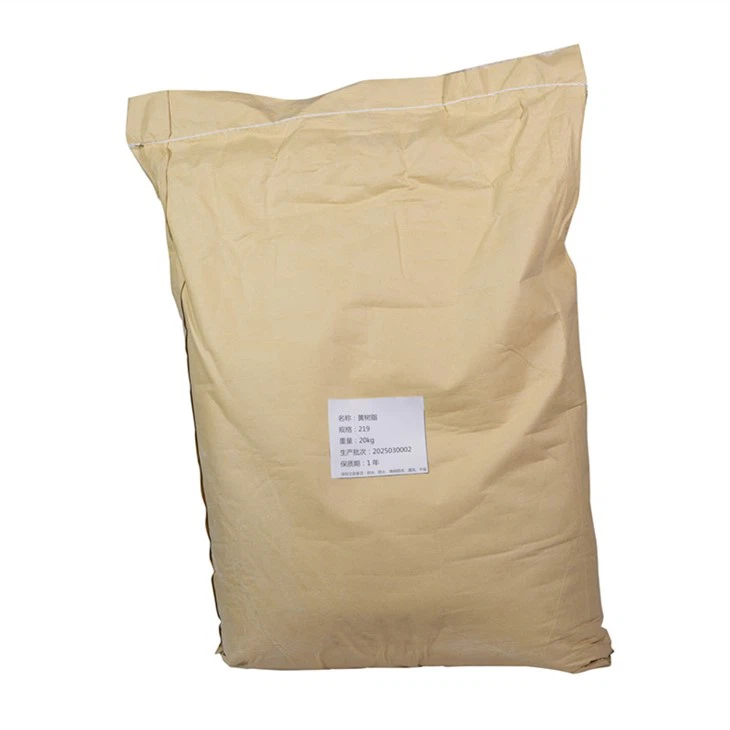
Recycling is a more sustainable option. However, the recycling of white resin powder products is often challenging due to their complex chemical structures and the presence of additives. Some innovative recycling technologies are being developed, such as chemical recycling, which can break down the resin into its monomers for reuse. This approach can significantly reduce the amount of waste sent to landfills and conserve resources.
Regulatory and Certification
To ensure the environmental friendliness of white resin powder, regulatory frameworks and certifications play an important role. Governments around the world are implementing stricter environmental regulations on the production, use, and disposal of chemical products. For example, some countries have set limits on the emission of volatile organic compounds (VOCs) during the production of white resin powder.
Certification programs such as ISO 14001 (Environmental Management System) and Eco - Labeling can also help consumers and businesses identify environmentally friendly products. Products that meet these certification standards are generally more likely to have a lower environmental impact throughout their life cycle.
Our Company's Approach
As a supplier of white resin powder, we are committed to promoting environmental sustainability. We are actively researching and developing bio - based raw materials to reduce our dependence on fossil fuels. Our production facilities are equipped with advanced energy - saving technologies and waste treatment systems to minimize our environmental footprint.
We also provide our customers with detailed information about the environmental performance of our products, including their raw materials, production processes, and end - of - life management options. By working closely with our customers, we can help them make more sustainable choices in their product design and manufacturing processes.
Conclusion
In conclusion, the question of whether white resin powder is environmentally friendly does not have a simple yes or no answer. While there are some environmental challenges associated with its raw materials, production, use, and end - of - life management, there are also many opportunities for improvement. Through the use of bio - based raw materials, advanced production technologies, and proper waste management, the environmental impact of white resin powder can be significantly reduced.
If you are interested in learning more about our environmentally friendly white resin powder products or have any questions regarding procurement, please feel free to contact us. We look forward to discussing how we can meet your specific needs and contribute to a more sustainable future.
References
- "Environmental Impact Assessment of Petrochemical - Based Resins", Journal of Environmental Science and Technology, Vol. XX, Issue XX, 20XX
- "Bio - Based Polymers: A Sustainable Alternative", Polymer Science Review, Vol. XX, Issue XX, 20XX
- "Recycling Technologies for Resin - Based Products", Waste Management Journal, Vol. XX, Issue XX, 20XX