

How to prevent an abrasive brush from clogging?
Hey there! As an abrasive brush supplier, I've seen my fair share of issues when it comes to these handy tools. One of the most common problems that users face is brush clogging. It can be a real pain in the neck, reducing the brush's efficiency and lifespan. But don't worry! I'm here to share some tips on how to prevent an abrasive brush from clogging.
First off, let's understand why abrasive brushes clog in the first place. When you use an abrasive brush, it removes material from the surface you're working on. This removed material, along with any debris or dust in the environment, can get trapped between the brush filaments. Over time, this buildup can cause the brush to clog, making it less effective at its job.
Choose the Right Brush for the Job
The type of abrasive brush you choose plays a crucial role in preventing clogging. Different brushes are designed for different applications, so it's important to select the one that's best suited for your task.
For example, if you're working on a job that produces a lot of fine dust, an Abrasive Nylon Brush might be a good choice. These brushes have nylon filaments that are flexible and can resist clogging better than some other materials. They're also great for light to medium-duty cleaning and surface preparation.
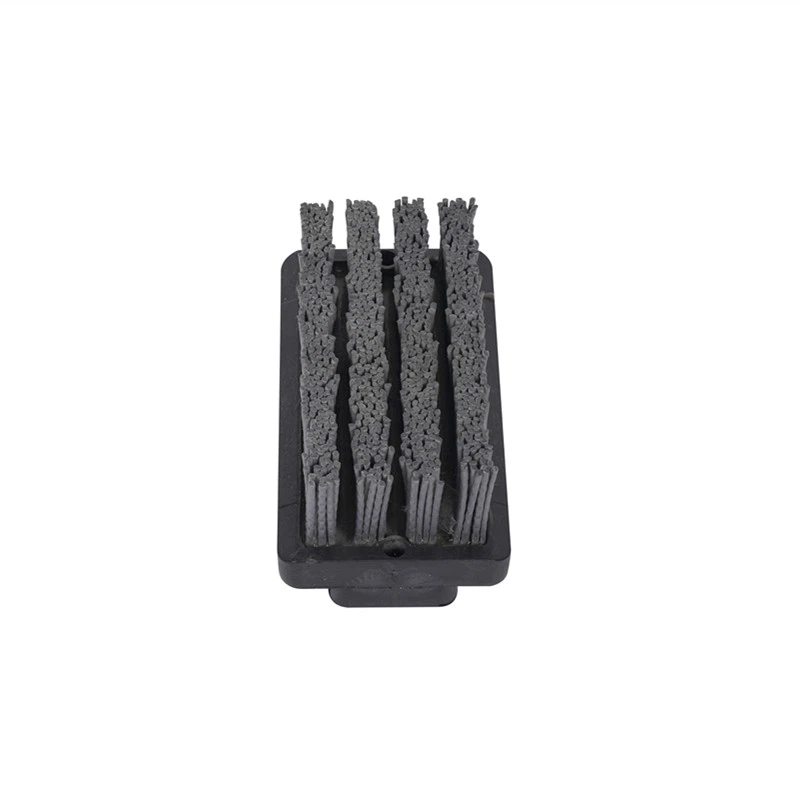
On the other hand, if you're dealing with more heavy-duty tasks that involve removing tough materials, an Abrasive Filament Strip Brush could be more suitable. These brushes have a strip design that allows for better debris removal and can handle larger amounts of material without clogging as easily.
And if you're working on circular surfaces or need to do some precision work, an Abrasive Nylon Disc Brush is a great option. The disc shape provides a large surface area for abrasion, and the nylon filaments can help prevent clogging during use.
Keep the Work Area Clean
Another important factor in preventing brush clogging is keeping your work area clean. A dirty work environment can contribute to the buildup of debris on the brush. Make sure to regularly clean the surface you're working on and remove any loose material before you start brushing.
You can also use a vacuum or air blower to remove dust and debris from the brush while you're working. This will help prevent the particles from getting trapped between the filaments and causing clogging. Just be careful not to use too much force, as this could damage the brush.
Use the Right Pressure
Using the right amount of pressure when using an abrasive brush is key. Applying too much pressure can cause the brush to wear out faster and increase the likelihood of clogging. The excessive force can push more material into the brush filaments, making it harder for the debris to escape.

On the other hand, using too little pressure may not be effective in removing the material you're working on. Find a balance and apply just enough pressure to get the job done without overworking the brush.
Clean the Brush Regularly
Regular cleaning of the abrasive brush is essential to prevent clogging. After each use, take a few minutes to clean the brush. You can use a brush cleaner or a simple solution of warm water and mild detergent.
Soak the brush in the cleaning solution for a few minutes, then gently agitate it to loosen any trapped debris. Use a small brush or a toothbrush to clean between the filaments. Rinse the brush thoroughly with clean water and let it dry completely before storing it.
Store the Brush Properly
Proper storage of the abrasive brush can also help prevent clogging. Make sure to store the brush in a clean, dry place. Avoid storing it in a dirty or dusty environment, as this can cause debris to accumulate on the brush.
If possible, store the brush in a protective case or container to keep it safe from damage and dust. This will help maintain the brush's performance and prevent clogging over time.
Inspect the Brush Regularly
Regularly inspecting your abrasive brush is a good way to catch any potential clogging issues early. Look for signs of debris buildup, such as a change in the brush's color or a decrease in its flexibility. If you notice any problems, clean the brush immediately to prevent further clogging.
Also, check for any signs of wear and tear on the brush filaments. If the filaments are worn or damaged, they may be more prone to clogging. Replace the brush if necessary to ensure optimal performance.
Consider Using a Brush Conditioner
In some cases, using a brush conditioner can help prevent clogging. A brush conditioner is a product that is designed to keep the brush filaments clean and flexible. It can help reduce the buildup of debris and make it easier to clean the brush.
There are different types of brush conditioners available on the market. Some are in the form of sprays, while others are liquids that you can soak the brush in. Follow the manufacturer's instructions when using a brush conditioner to ensure the best results.
Work in Short Intervals
Working in short intervals can also help prevent clogging. Instead of using the brush continuously for a long period of time, take breaks every 15 - 20 minutes. During these breaks, clean the brush to remove any debris that has accumulated.
This will help prevent the debris from building up too much and causing clogging. It will also give the brush a chance to cool down, which can extend its lifespan.
Conclusion
Preventing an abrasive brush from clogging is all about taking the right steps. By choosing the right brush for the job, keeping the work area clean, using the right pressure, cleaning the brush regularly, storing it properly, inspecting it often, considering a brush conditioner, and working in short intervals, you can keep your abrasive brush in top condition and avoid the headaches of clogging.
If you're in the market for high - quality abrasive brushes or have any questions about preventing clogging, don't hesitate to reach out. We're here to help you find the best solutions for your abrasive brush needs. Whether you're a professional tradesperson or a DIY enthusiast, we've got the brushes and the knowledge to support you. Let's get in touch and start a great partnership for all your abrasive brush requirements!
References
- General knowledge and experience in the abrasive brush industry.
- Product manuals and specifications from leading abrasive brush manufacturers.