

How to install grinding wheels for casting correctly?
Hey there! As someone running a Grinding Wheels For Casting supply business, I often get asked about the correct way to install these grinding wheels. It's a crucial step that can significantly impact the performance and safety of your casting operations. So, let's dive right in and explore how to do it properly.
Pre - installation Checks
Before you even think about installing the grinding wheel, you need to conduct a series of checks. First off, take a good look at the grinding wheel itself. Inspect it for any visible cracks, chips, or other damages. A damaged wheel can be extremely dangerous during operation, as it might break apart and cause serious injuries.
Also, check the specifications of the wheel. Make sure it's the right size, type, and grade for your casting machine. Using an incorrect wheel can lead to poor grinding results and may even damage your equipment. You can find a wide range of suitable Grinding Wheels For Casting on our website.
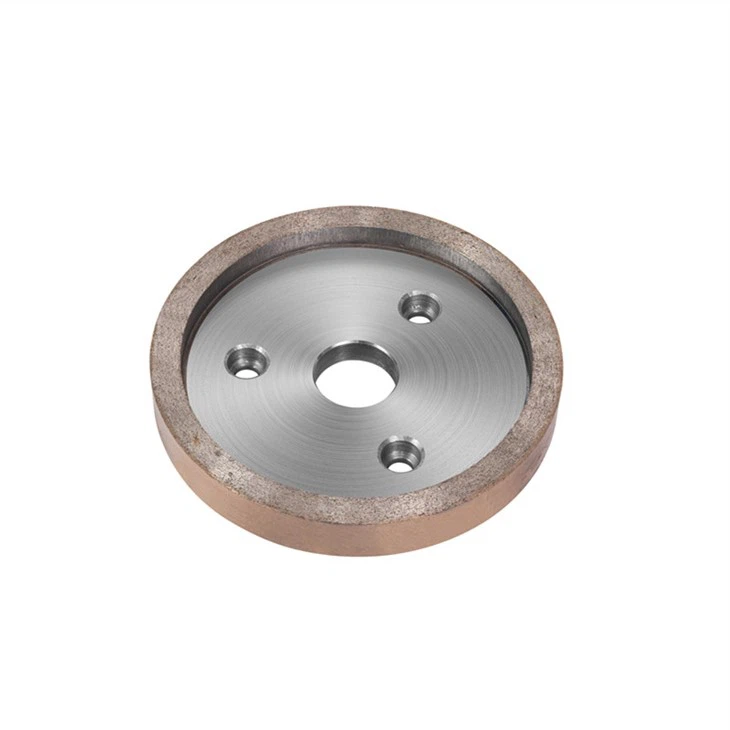

Next, examine the mounting flange and the spindle of your casting machine. The flange should be clean, free from any dirt, debris, or rust. Any foreign particles between the flange and the wheel can cause uneven mounting and vibration during operation. The spindle, on the other hand, should be in good condition, with no signs of wear or damage.
Mounting the Grinding Wheel
Once you've completed the pre - installation checks, it's time to mount the wheel. Start by placing the wheel on a clean, flat surface. Make sure the center hole of the wheel aligns perfectly with the spindle of the casting machine.
You'll need to use appropriate flange washers. These washers help distribute the pressure evenly across the wheel and prevent it from cracking under stress. Place the flange washers on both sides of the wheel, ensuring they are centered.
Now, carefully slide the wheel and the washers onto the spindle. Tighten the nuts or bolts gradually and evenly. Don't over - tighten them, as this can also cause the wheel to crack. A good rule of thumb is to use a torque wrench to ensure you're applying the correct amount of force.
Balancing the Grinding Wheel
Balancing is a critical step in the installation process. An unbalanced wheel can cause excessive vibration, which not only affects the quality of your grinding but also puts extra stress on the machine's bearings and other components.
To balance the wheel, you can use a balancing stand. Place the wheel on the stand and let it come to rest. If the wheel is unbalanced, it will rotate until the heavier side is at the bottom. You can then add or remove small weights to the wheel's balancing rings until it remains stationary in any position.
Safety Precautions
Safety should always be your top priority when installing and using grinding wheels. Wear appropriate personal protective equipment (PPE), such as safety glasses, gloves, and a face shield. These will protect you from flying debris and sparks.
Before starting the machine, make sure all the guards are in place. The guards are designed to prevent any fragments from the wheel from hitting you in case of a wheel failure.
Also, never operate the machine at a speed higher than the maximum speed specified on the wheel. Exceeding this speed can cause the wheel to break apart, leading to serious accidents.
Post - installation Testing
After installing and balancing the wheel, it's time to do a test run. Start the machine at a low speed and let it run for a few minutes. Listen for any unusual noises or vibrations. If you notice anything out of the ordinary, stop the machine immediately and check the installation again.
Once you're satisfied with the test run, you can gradually increase the speed to the normal operating speed. But keep an eye on the machine and the wheel during this process.
Maintenance and Replacement
Proper maintenance of your grinding wheel is essential for its long - term performance. Regularly clean the wheel to remove any built - up debris. You can use a soft brush or a cleaning solution recommended by the wheel manufacturer.
Inspect the wheel regularly for signs of wear. When the wheel reaches the minimum thickness specified by the manufacturer, it's time to replace it. Using a worn - out wheel can be dangerous and will not give you the desired grinding results.
In addition to Grinding Wheels For Casting, we also offer other related products like Polishing Pads and Wet Edge Grinding Wheel. These products can complement your casting operations and help you achieve better results.
If you're in the market for high - quality grinding wheels for your casting needs, don't hesitate to reach out. We're here to provide you with the best products and advice. Whether you're a small - scale workshop or a large - scale manufacturing plant, we have the right solutions for you. Contact us to start a procurement discussion and take your casting operations to the next level.
References
- "Grinding Wheel Safety Manual" - Occupational Safety and Health Administration (OSHA)
- "Handbook of Abrasive Technology" - Various industry experts