

How to choose the right wet edge grinding wheel?
Selecting the right wet edge grinding wheel is a crucial decision that can significantly impact the efficiency, quality, and cost-effectiveness of your grinding operations. As a leading supplier of Wet Edge Grinding Wheel, I understand the challenges and considerations involved in this process. In this blog post, I will share some valuable insights and guidelines to help you make an informed choice.
Understanding Wet Edge Grinding Wheels
Before delving into the selection process, it's essential to understand what wet edge grinding wheels are and how they work. Wet edge grinding wheels are designed to be used with a coolant or water to reduce heat and friction during the grinding process. This helps to prevent overheating, which can damage the workpiece and the grinding wheel, and also improves the surface finish of the workpiece.
These wheels are commonly used in various industries, including metalworking, automotive, aerospace, and construction, for tasks such as deburring, shaping, and finishing. They come in different shapes, sizes, and abrasive materials, each suited for specific applications.
Factors to Consider When Choosing a Wet Edge Grinding Wheel
1. Abrasive Material
The abrasive material is one of the most critical factors to consider when choosing a wet edge grinding wheel. Different abrasive materials have different properties, such as hardness, toughness, and heat resistance, which affect their performance in various applications.
- Aluminum Oxide: This is one of the most commonly used abrasive materials for wet edge grinding wheels. It is relatively inexpensive, has good toughness, and is suitable for grinding ferrous metals, such as steel and cast iron.
- Silicon Carbide: Silicon carbide is a harder and more brittle abrasive material than aluminum oxide. It is ideal for grinding non-ferrous metals, such as aluminum, brass, and copper, as well as hard and brittle materials, such as ceramics and glass.
- Cubic Boron Nitride (CBN): CBN is a synthetic abrasive material that is extremely hard and heat-resistant. It is used for grinding hard materials, such as hardened steel, high-speed steel, and superalloys, where high precision and long wheel life are required.
- Diamond: Diamond is the hardest abrasive material available and is used for grinding extremely hard materials, such as carbide, ceramics, and glass. It offers excellent cutting performance and long wheel life but is also the most expensive abrasive material.
2. Grit Size
The grit size of a wet edge grinding wheel refers to the size of the abrasive particles on the wheel's surface. It is typically indicated by a number, with smaller numbers representing coarser grits and larger numbers representing finer grits.

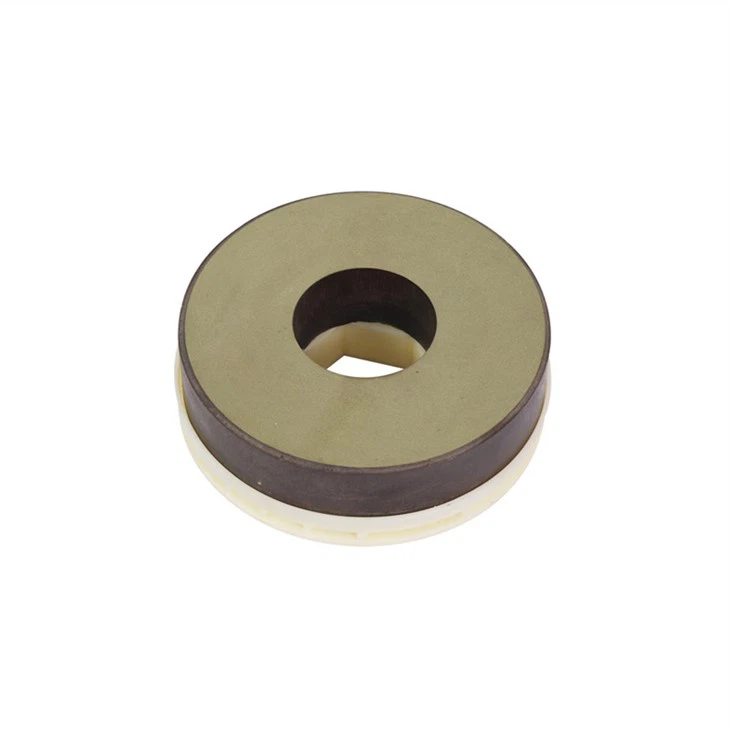
- Coarse Grits (16 - 36): Coarse grit wheels are used for rapid material removal, such as rough grinding and deburring. They can remove large amounts of material quickly but may leave a rough surface finish.
- Medium Grits (40 - 80): Medium grit wheels are suitable for general-purpose grinding and can provide a good balance between material removal rate and surface finish.
- Fine Grits (100 - 220): Fine grit wheels are used for finishing operations, such as polishing and precision grinding. They can produce a smooth surface finish but have a slower material removal rate.
3. Wheel Grade
The grade of a wet edge grinding wheel refers to the strength with which the abrasive particles are held in the wheel's bond. It is typically indicated by a letter, with softer grades represented by letters closer to "A" and harder grades represented by letters closer to "Z".
- Soft Grades (A - H): Soft grade wheels are used for grinding hard materials or when a high material removal rate is required. The abrasive particles on these wheels break down more easily, exposing new sharp particles and maintaining a sharp cutting edge.
- Medium Grades (I - P): Medium grade wheels are suitable for general-purpose grinding and can be used on a wide range of materials. They offer a good balance between wheel life and cutting performance.
- Hard Grades (Q - Z): Hard grade wheels are used for grinding soft materials or when a fine surface finish is required. The abrasive particles on these wheels are held more firmly, resulting in a longer wheel life but a slower material removal rate.
4. Bond Type
The bond type of a wet edge grinding wheel refers to the material that holds the abrasive particles together. Different bond types have different properties, such as strength, heat resistance, and flexibility, which affect the wheel's performance in various applications.
- Vitrified Bond: Vitrified bond is the most commonly used bond type for wet edge grinding wheels. It is made of a ceramic material and offers high strength, heat resistance, and chemical stability. Vitrified bond wheels are suitable for a wide range of applications and can be used with both water and oil-based coolants.
- Resinoid Bond: Resinoid bond is a synthetic organic bond that offers good flexibility and shock resistance. It is commonly used for grinding wheels that require high cutting speeds and for applications where a smooth surface finish is required. Resinoid bond wheels are typically used with water-based coolants.
- Rubber Bond: Rubber bond is a flexible bond that is used for grinding wheels that require a high degree of flexibility, such as those used for grinding curved surfaces. Rubber bond wheels are typically used with water-based coolants and are suitable for applications where a fine surface finish is required.
5. Wheel Shape and Size
The shape and size of a wet edge grinding wheel are also important factors to consider. Different shapes and sizes are available to suit different applications and grinding machines.
- Straight Wheels: Straight wheels are the most commonly used shape for wet edge grinding wheels. They are suitable for a wide range of applications, including surface grinding, cylindrical grinding, and centerless grinding.
- Cylinder Wheels: Cylinder wheels are used for grinding flat surfaces and are commonly used in surface grinding machines.
- Tapered Wheels: Tapered wheels are used for grinding tapered surfaces and are commonly used in tool and cutter grinding machines.
- Dish Wheels: Dish wheels are used for grinding concave surfaces and are commonly used in die and mold grinding machines.
The size of the wheel is typically determined by the size of the grinding machine and the application requirements. It is important to choose a wheel that is the correct size for your machine to ensure optimal performance and safety.
Application-Specific Considerations
In addition to the general factors mentioned above, there are also some application-specific considerations that you need to take into account when choosing a wet edge grinding wheel.
1. Material to be Ground
The material to be ground is one of the most important factors to consider when choosing a wet edge grinding wheel. Different materials have different properties, such as hardness, toughness, and heat resistance, which affect the choice of abrasive material, grit size, wheel grade, and bond type.
- Ferrous Metals: For grinding ferrous metals, such as steel and cast iron, aluminum oxide abrasive wheels are typically the best choice. They offer good toughness and can withstand the high pressures and temperatures generated during the grinding process.
- Non-Ferrous Metals: For grinding non-ferrous metals, such as aluminum, brass, and copper, silicon carbide abrasive wheels are usually preferred. They are harder and more brittle than aluminum oxide wheels and can provide a better surface finish.
- Hard and Brittle Materials: For grinding hard and brittle materials, such as ceramics and glass, diamond or CBN abrasive wheels are the best choice. They offer excellent cutting performance and long wheel life.
2. Grinding Operation
The type of grinding operation you are performing also affects the choice of wet edge grinding wheel. Different grinding operations, such as rough grinding, finish grinding, and precision grinding, require different types of wheels.
- Rough Grinding: For rough grinding operations, where a high material removal rate is required, coarse grit wheels with a soft grade and a vitrified bond are typically used.
- Finish Grinding: For finish grinding operations, where a smooth surface finish is required, fine grit wheels with a hard grade and a resinoid or rubber bond are usually preferred.
- Precision Grinding: For precision grinding operations, where high accuracy and surface finish are required, CBN or diamond wheels are often used.
3. Grinding Machine
The type of grinding machine you are using also affects the choice of wet edge grinding wheel. Different grinding machines have different specifications, such as spindle speed, power, and coolant system, which need to be considered when choosing a wheel.
- Surface Grinding Machines: Surface grinding machines are used for grinding flat surfaces. They typically require straight or cylinder wheels with a medium grit size and a vitrified bond.
- Cylindrical Grinding Machines: Cylindrical grinding machines are used for grinding cylindrical surfaces. They usually require straight or tapered wheels with a medium grit size and a vitrified bond.
- Tool and Cutter Grinding Machines: Tool and cutter grinding machines are used for grinding cutting tools, such as drills, end mills, and reamers. They typically require tapered or dish wheels with a fine grit size and a resinoid bond.
Conclusion
Choosing the right wet edge grinding wheel is a complex process that requires careful consideration of several factors, including abrasive material, grit size, wheel grade, bond type, wheel shape and size, and application-specific requirements. By understanding these factors and following the guidelines outlined in this blog post, you can make an informed choice and select a wheel that will provide optimal performance, efficiency, and cost-effectiveness for your grinding operations.
If you have any questions or need further assistance in choosing the right wet edge grinding wheel for your application, please do not hesitate to contact us. We are a leading supplier of Wet Edge Grinding Wheel, Wet Edge Polishing Wheel, and Grinding Wheels For Casting, and our team of experts is always ready to help you find the perfect solution for your needs.
References
- "Grinding Technology: Theory and Applications of Machining with Abrasives" by Stephen Malkin
- "Handbook of Abrasive Technology" by Ramesh Singh