

How does white pigment powder for resin interact with resin accelerators?
As a supplier of White Pigment Powder for Resin, I've had the privilege of witnessing firsthand the fascinating interplay between this essential powder and resin accelerators. In this blog, I'll delve into the science behind their interaction, exploring how they work together to enhance the performance and aesthetics of resin-based products.
Understanding White Pigment Powder for Resin
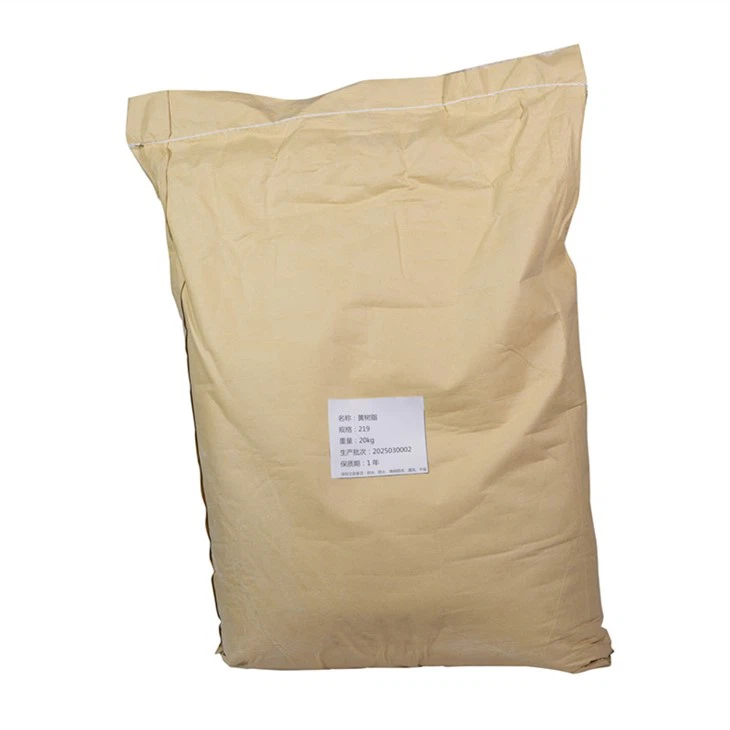
Before we dive into the interaction with resin accelerators, let's first understand what White Pigment Powder for Resin is. Our White Pigment Powder for Resin is a high-quality, finely ground powder that is specifically formulated for use in resin applications. It is designed to provide excellent opacity, whiteness, and color stability, making it ideal for a wide range of industries, including coatings, adhesives, composites, and plastics.
The primary function of white pigment powder in resin is to impart color and opacity. It scatters and reflects light, giving the resin a bright, white appearance. This is particularly important in applications where a clean, white finish is desired, such as in white-painted surfaces or white plastic products. Additionally, white pigment powder can also improve the mechanical properties of the resin, such as hardness, scratch resistance, and durability.

The Role of Resin Accelerators
Resin accelerators, also known as curing agents or hardeners, play a crucial role in the resin curing process. They are used to speed up the chemical reaction between the resin and the hardener, reducing the curing time and allowing the resin to set and harden more quickly. This is especially important in industrial applications where fast curing times are required to increase productivity and efficiency.
There are several types of resin accelerators available, each with its own unique properties and applications. Some common types include amines, peroxides, and metal salts. The choice of accelerator depends on the type of resin being used, the desired curing time, and the specific requirements of the application.
How White Pigment Powder Interacts with Resin Accelerators
The interaction between white pigment powder and resin accelerators is a complex process that involves both physical and chemical phenomena. Here are some of the key ways in which they interact:
1. Physical Interaction
- Dispersion: White pigment powder needs to be evenly dispersed in the resin to achieve a uniform color and opacity. Resin accelerators can help to improve the dispersion of the pigment powder by reducing the surface tension of the resin and preventing the pigment particles from agglomerating. This ensures that the pigment is evenly distributed throughout the resin, resulting in a more consistent and high-quality finish.
- Viscosity: The addition of white pigment powder can increase the viscosity of the resin, making it more difficult to mix and apply. Resin accelerators can help to reduce the viscosity of the resin, making it easier to work with and ensuring that the pigment powder is properly incorporated into the resin.
2. Chemical Interaction
- Curing Reaction: White pigment powder can have an impact on the curing reaction of the resin. Some pigments may contain impurities or additives that can react with the resin accelerator or the resin itself, affecting the curing process. For example, certain metal oxides in the pigment powder may act as catalysts or inhibitors, altering the rate of the curing reaction. It is important to choose a white pigment powder that is compatible with the resin and the accelerator to ensure proper curing.
- Color Stability: Resin accelerators can also affect the color stability of the white pigment powder. Some accelerators may cause the pigment to discolor or fade over time, especially when exposed to heat, light, or other environmental factors. It is important to select a resin accelerator that is compatible with the pigment powder and provides good color stability to ensure that the final product maintains its white color and appearance over time.
Factors Affecting the Interaction
Several factors can affect the interaction between white pigment powder and resin accelerators. These include:
1. Pigment Type and Quality
- Particle Size: The particle size of the white pigment powder can have a significant impact on its interaction with the resin accelerator. Smaller particle sizes generally provide better dispersion and color performance, but they may also be more difficult to handle and may require more energy to disperse. Larger particle sizes may be easier to disperse but may result in a less uniform color and lower opacity.
- Purity: The purity of the white pigment powder is also important. Impurities in the pigment can react with the resin accelerator or the resin, affecting the curing process and the color stability of the final product. It is important to choose a high-quality pigment powder that is free from impurities and additives.
2. Resin Type and Properties
- Chemical Composition: Different types of resins have different chemical compositions and properties, which can affect their interaction with white pigment powder and resin accelerators. For example, epoxy resins are known for their excellent adhesion and chemical resistance, while polyester resins are more flexible and have good weatherability. The choice of resin depends on the specific requirements of the application.
- Viscosity: The viscosity of the resin can also affect the dispersion of the white pigment powder and the curing process. Resins with higher viscosities may require more energy to mix and disperse the pigment, while resins with lower viscosities may be more prone to sagging or running during application.
3. Accelerator Type and Concentration
- Chemical Structure: The chemical structure of the resin accelerator can have a significant impact on its interaction with the white pigment powder and the resin. Different types of accelerators have different reactivity rates and mechanisms, which can affect the curing time, the mechanical properties of the resin, and the color stability of the pigment.
- Concentration: The concentration of the resin accelerator also plays an important role. Too little accelerator may result in slow curing times and incomplete curing, while too much accelerator may cause the resin to cure too quickly, leading to cracking, shrinkage, or other defects. It is important to use the correct concentration of accelerator to ensure proper curing and optimal performance.
Applications and Benefits
The interaction between white pigment powder and resin accelerators has a wide range of applications in various industries. Here are some of the common applications and benefits:
1. Coatings
- White Paints: White pigment powder is widely used in white paints to provide a bright, white finish. Resin accelerators can help to speed up the drying and curing time of the paint, allowing for faster production and application. This is especially important in the automotive, furniture, and architectural industries, where fast curing times are required to meet production schedules.
- Powder Coatings: White pigment powder is also used in powder coatings to provide a durable and high-quality finish. Resin accelerators can help to improve the flow and leveling of the powder coating, resulting in a smoother and more uniform finish. Additionally, the use of accelerators can reduce the curing temperature and time, making the powder coating process more energy-efficient.
2. Adhesives
- White Adhesives: White pigment powder can be added to adhesives to provide a white color and improve the aesthetics of the bonded joint. Resin accelerators can help to speed up the curing time of the adhesive, allowing for faster assembly and bonding. This is particularly important in the electronics, packaging, and woodworking industries, where fast curing times are required to increase productivity.
3. Composites
- Fiber Reinforced Composites: White pigment powder can be used in fiber reinforced composites to provide a white color and improve the appearance of the composite material. Resin accelerators can help to reduce the curing time of the resin, allowing for faster production of the composites. This is important in the aerospace, automotive, and sports equipment industries, where lightweight and high-strength composites are in high demand.
Conclusion
In conclusion, the interaction between white pigment powder for resin and resin accelerators is a complex and important process that can have a significant impact on the performance and aesthetics of resin-based products. By understanding how they interact and choosing the right combination of pigment powder and accelerator, manufacturers can achieve optimal results in terms of color, opacity, curing time, and mechanical properties.
As a supplier of White Pigment Powder for Resin, we are committed to providing high-quality products and technical support to our customers. If you are interested in learning more about our products or have any questions about the interaction between white pigment powder and resin accelerators, please feel free to contact us. We would be happy to discuss your specific requirements and help you find the best solution for your application.
References
- "Handbook of Resins and Composites" by John A. Brydson
- "Pigment Handbook" by Temple C. Patton
- "Resin Chemistry and Technology" by George Odian