

How do elastic grinding blocks perform in high - temperature environments?
Hey there! As a supplier of elastic grinding blocks, I've had my fair share of experiences with these nifty tools. One question that often pops up is, "How do elastic grinding blocks perform in high - temperature environments?" Well, let's dive right into it.
First off, let's understand what elastic grinding blocks are. These are basically abrasive tools with some flexibility. They're great for various applications, like grinding and polishing different materials. You can find them in different types, such as Elastic Grinding Block Ceramic Tile, Abrasive Elastic Grinding Block for Ceramic Tiles, and Elastic Polishing Abrasives.
Now, high - temperature environments can be a real challenge for any tool. When it comes to elastic grinding blocks, there are a few factors that come into play.
1. Material Composition
The materials used in making elastic grinding blocks have a huge impact on their performance in high - temperature settings. Most elastic grinding blocks are made up of abrasive grains, a bonding agent, and some elastic materials.
The abrasive grains are usually things like silicon carbide or aluminum oxide. These grains are responsible for the actual grinding and cutting action. In high - temperature environments, the hardness and thermal stability of these grains are crucial. For example, silicon carbide has a relatively high thermal conductivity, which means it can dissipate heat quickly. This helps prevent the grains from overheating and losing their cutting edge.
The bonding agent holds the abrasive grains together. In high - temperature situations, the bonding agent needs to be able to withstand the heat without breaking down. Some bonding agents are designed to be heat - resistant, but if the temperature gets too extreme, they might start to degrade. This can lead to the abrasive grains falling off prematurely, reducing the effectiveness of the grinding block.
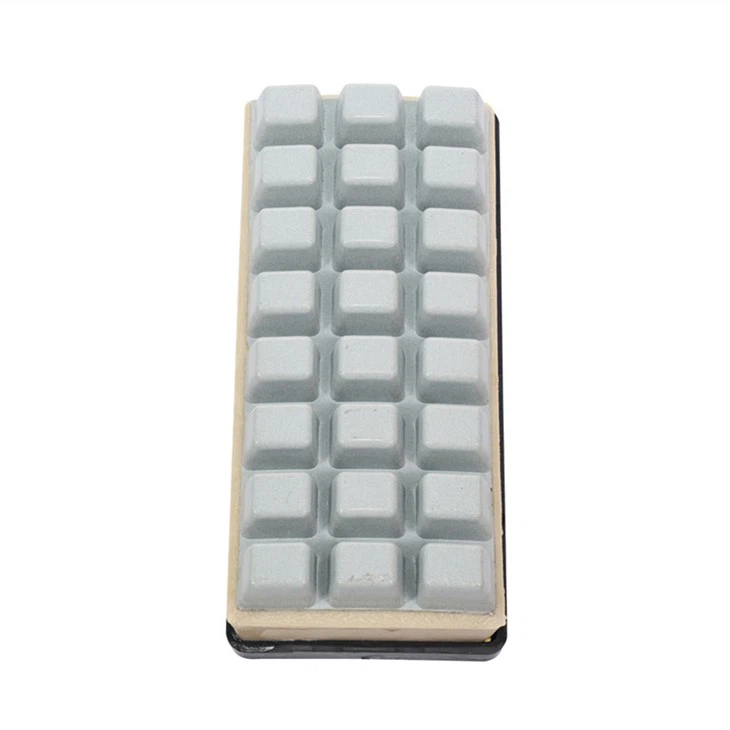
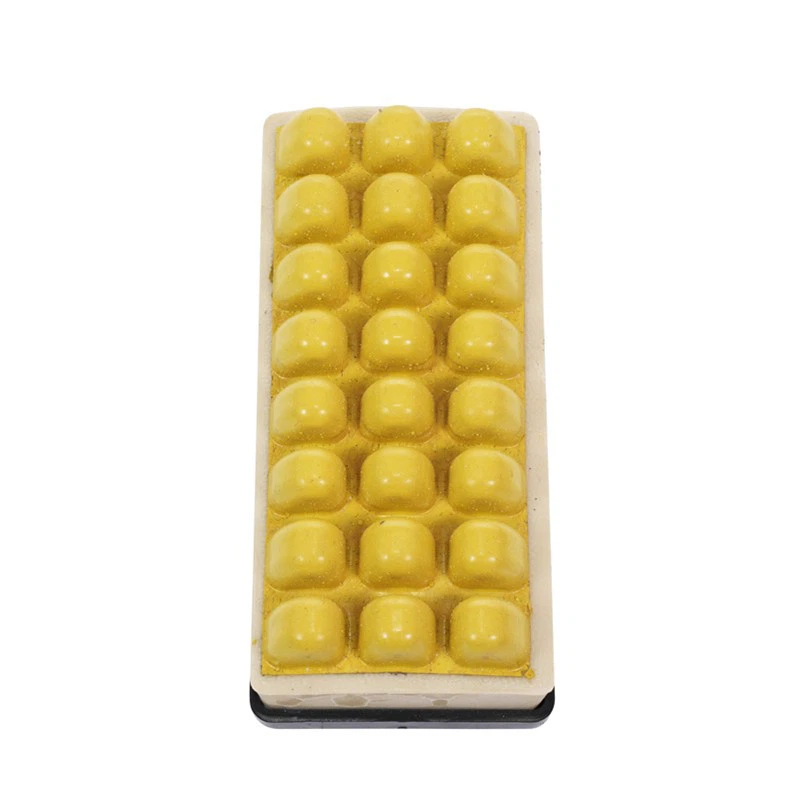
The elastic materials in the grinding block give it its flexibility. However, high temperatures can affect the elasticity of these materials. If the elastic materials become too soft or lose their elasticity due to heat, the grinding block might not be able to conform to the surface being ground as well. This can result in uneven grinding and a lower quality finish.
2. Heat Generation During Grinding
When using an elastic grinding block, heat is generated as the abrasive grains rub against the material being ground. In high - temperature environments, this additional heat can be a real problem.
The heat can cause the material being ground to expand. If the elastic grinding block isn't able to adapt to this expansion, it can lead to cracking or chipping of the material. Also, the increased heat can cause the grinding block itself to wear out faster. The heat can accelerate the chemical reactions between the abrasive grains and the bonding agent, as well as the material being ground.
To counteract this heat generation, it's important to use proper grinding techniques. For example, using a lower grinding pressure can reduce the amount of heat generated. Also, using a coolant can help dissipate the heat and keep the temperature of the grinding block and the material being ground under control.
3. Wear and Tear
In high - temperature environments, the wear and tear on elastic grinding blocks are often accelerated. The heat can cause the abrasive grains to become dull more quickly. As the grains wear down, the grinding efficiency decreases, and more pressure needs to be applied to achieve the same level of grinding.
The high temperatures can also cause the bonding agent to break down, as mentioned earlier. This can lead to the loss of abrasive grains, which further reduces the effectiveness of the grinding block. Additionally, the elastic materials can become brittle or lose their shape over time due to the heat, making the grinding block less flexible and more prone to damage.
4. Performance in Different High - Temperature Applications
Let's take a look at how elastic grinding blocks perform in some common high - temperature applications.
Metal Grinding
When grinding metals in high - temperature environments, like in foundries or metalworking shops, the heat generated during grinding can be quite high. The elastic grinding block needs to be able to withstand the heat and still maintain its cutting ability. In these situations, grinding blocks with heat - resistant bonding agents and high - quality abrasive grains are essential. However, even with the best materials, the wear rate might be higher compared to grinding in normal temperature conditions.
Ceramic Grinding
Ceramics can also generate a lot of heat during grinding, especially in high - temperature firing processes. Elastic grinding blocks used for ceramic grinding need to be able to handle the heat without causing damage to the ceramic material. The flexibility of the grinding block is important here, as it allows it to conform to the shape of the ceramic without cracking it. But again, the high temperatures can affect the elasticity and the abrasive performance of the block.
Tips for Using Elastic Grinding Blocks in High - Temperature Environments
If you're planning to use elastic grinding blocks in high - temperature environments, here are some tips to get the best performance:
- Choose the Right Grinding Block: Look for grinding blocks that are specifically designed for high - temperature applications. These blocks usually have heat - resistant bonding agents and abrasive grains with good thermal stability.
- Use Coolants: Coolants can help reduce the heat generated during grinding. They can also prevent the grinding block from overheating and extend its lifespan.
- Monitor the Temperature: Keep an eye on the temperature of the grinding block and the material being ground. If the temperature gets too high, stop the grinding process and let things cool down.
- Adjust Grinding Techniques: As mentioned earlier, using a lower grinding pressure and a slower grinding speed can help reduce heat generation.
Conclusion
So, how do elastic grinding blocks perform in high - temperature environments? Well, it's a mixed bag. While they can be used effectively in high - temperature settings, there are definitely some challenges. The material composition, heat generation, wear and tear, and the specific application all play a role in determining their performance.
If you're in the market for elastic grinding blocks for high - temperature applications, we're here to help. We offer a wide range of elastic grinding blocks, including Elastic Grinding Block Ceramic Tile, Abrasive Elastic Grinding Block for Ceramic Tiles, and Elastic Polishing Abrasives. Our products are designed to meet the demands of various high - temperature applications.
If you have any questions or are interested in purchasing our elastic grinding blocks, feel free to reach out to us for a procurement discussion. We're always happy to help you find the right solution for your needs.
References
- "Abrasive Technology Handbook"
- "Materials Science for Grinding Tools"
- Industry research reports on high - temperature grinding applications