

Can grinding wheels for casting be used in wet grinding?
Hey there! As a supplier of Grinding Wheels For Casting, I often get asked a bunch of questions about our products. One of the most common queries I receive is, "Can grinding wheels for casting be used in wet grinding?" Well, let's dive right into this topic and find out.
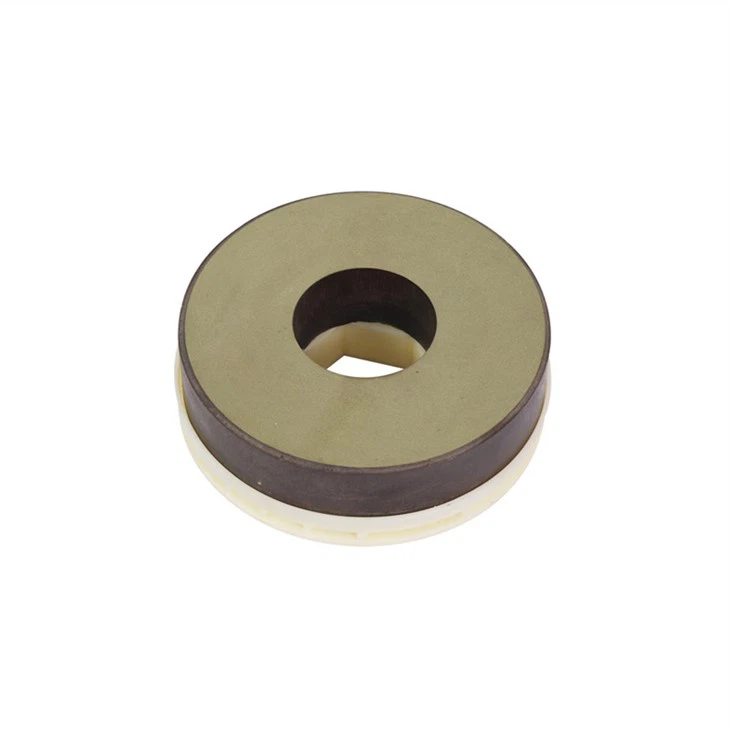
First off, let's understand what grinding wheels for casting are. Grinding Wheels For Casting are specially designed to handle the tough job of grinding cast materials. Castings can be pretty hard and have rough surfaces, so these wheels are made with the right abrasive materials and bonding agents to cut through them efficiently. They come in different shapes, sizes, and grits, depending on the specific casting application.
Now, let's talk about wet grinding. Wet grinding involves using a coolant or water during the grinding process. The main reasons for using wet grinding are to reduce heat, prevent the workpiece from overheating, and improve the surface finish. When you're grinding, a lot of heat is generated due to the friction between the wheel and the casting. If this heat isn't managed properly, it can cause damage to the casting, such as warping or cracking, and it can also wear out the grinding wheel faster.
So, can grinding wheels for casting be used in wet grinding? The short answer is, it depends. Some grinding wheels for casting are indeed suitable for wet grinding, while others are not.
Let's start with the wheels that can be used in wet grinding. These wheels are usually made with a bonding agent that can withstand exposure to water or coolant. Resin-bonded grinding wheels, for example, are often a good choice for wet grinding. The resin bond holds the abrasive grains together firmly, and it doesn't break down easily when in contact with water. This means the wheel can maintain its shape and cutting performance during the wet grinding process.
When using these wheels in wet grinding, there are several benefits. First of all, as I mentioned earlier, the coolant helps to reduce heat. This not only protects the casting but also extends the life of the grinding wheel. Since the wheel doesn't get as hot, the abrasive grains don't wear down as quickly, which means you can use the wheel for a longer time before having to replace it.
Secondly, wet grinding can improve the surface finish of the casting. The coolant helps to flush away the grinding debris, preventing it from getting stuck between the wheel and the casting. This results in a smoother, more even surface on the casting.
However, not all grinding wheels for casting are suitable for wet grinding. Some wheels, like those with a vitrified bond, may not be the best option. Vitrified bonds are made from glass-like materials, and they can be affected by water over time. The water can seep into the pores of the bond, causing it to weaken and eventually break down. This can lead to the wheel losing its shape and cutting ability, and it can even pose a safety risk if pieces of the wheel start to come off during grinding.
Another factor to consider is the type of abrasive material used in the wheel. Some abrasives are more resistant to water and coolant than others. For example, silicon carbide abrasives are generally more suitable for wet grinding than aluminum oxide abrasives. Silicon carbide has better chemical stability in water, so it can maintain its cutting performance for longer.
If you're thinking about using grinding wheels for casting in wet grinding, there are a few things you need to keep in mind. First, make sure you choose the right wheel for the job. Look for wheels that are specifically labeled as suitable for wet grinding. You can also consult with the wheel manufacturer or supplier for advice.
Secondly, you need to ensure that the coolant or water you're using is compatible with the wheel. Some coolants may contain chemicals that can react with the bonding agent or abrasive material in the wheel, causing damage. It's important to use a coolant that is recommended by the wheel manufacturer.
Finally, proper maintenance of the wheel is crucial. After each use, make sure to clean the wheel thoroughly to remove any coolant or debris. This will help to prevent corrosion and ensure that the wheel performs well in future grinding operations.
Now, let's talk about some of our other products. In addition to Grinding Wheels For Casting, we also offer Fiber Reinforced Grinding Disc. These discs are great for applications where you need a strong, durable grinding tool. The fiber reinforcement adds extra strength to the disc, making it less likely to break or shatter during use. They can be used for both dry and wet grinding, depending on the specific requirements of your project.
Another product we have is the Radiused Felt Polishing Wheel. These wheels are designed for the final polishing stage of a casting. They can give your castings a smooth, shiny finish, enhancing their appearance and quality.
If you're in the market for grinding wheels for casting or any of our other products, I encourage you to get in touch with us. We have a team of experts who can help you choose the right product for your needs. Whether you're a small workshop or a large manufacturing plant, we can provide you with high-quality grinding solutions at competitive prices. Don't hesitate to reach out and start a conversation about your requirements. We're here to help you get the best results from your grinding operations.
In conclusion, while not all grinding wheels for casting can be used in wet grinding, there are definitely options available that are suitable for this process. By choosing the right wheel, using the appropriate coolant, and maintaining the wheel properly, you can achieve great results in wet grinding. So, if you have any questions or need more information, feel free to contact us. We're always happy to assist you.
References

- "Grinding Technology: Theory and Applications of Machining with Abrasives" by Stephen Malkin
- "Handbook of Abrasive Technology" by Peter C. Kaputkin