

Can elastic grinding blocks be used for rough grinding?
As a supplier of elastic grinding blocks, I often encounter inquiries regarding the suitability of these products for rough grinding. In this blog post, I aim to delve into the topic and provide a comprehensive analysis of whether elastic grinding blocks can indeed be used for rough grinding.
Understanding Elastic Grinding Blocks
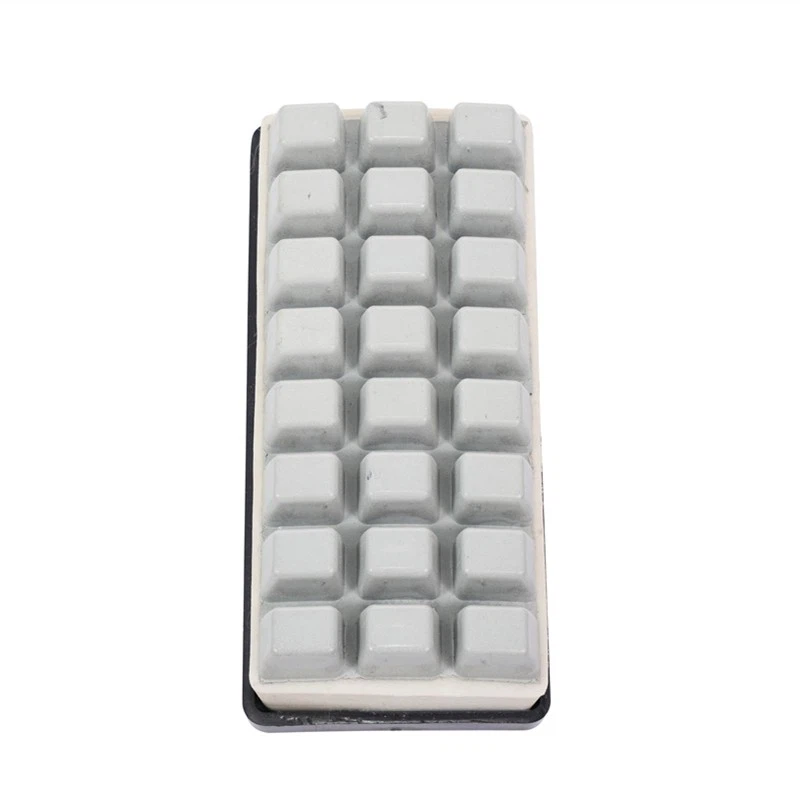
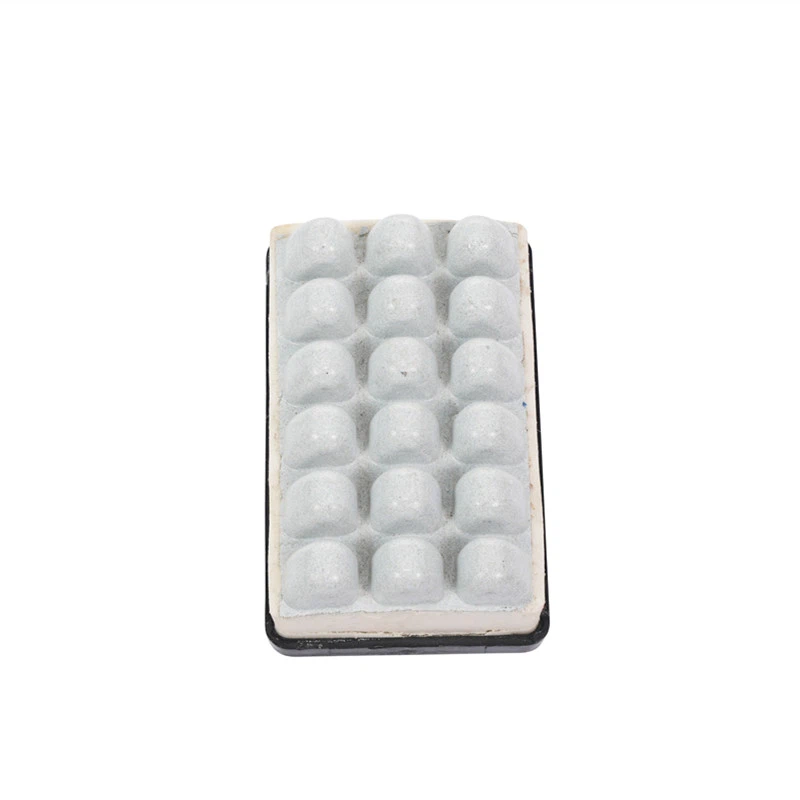
Elastic grinding blocks are a type of abrasive tool that combines the flexibility of elastic materials with the cutting power of abrasive grains. They are typically made from a mixture of abrasive particles, such as silicon carbide or aluminum oxide, and a binder material, which can be rubber, resin, or other elastomers. This unique combination allows elastic grinding blocks to conform to the shape of the workpiece, providing a consistent and uniform grinding surface.
The elasticity of these blocks enables them to absorb shocks and vibrations during the grinding process, reducing the risk of damage to the workpiece and the grinding tool. Additionally, the flexible nature of elastic grinding blocks allows them to reach difficult-to-access areas, making them suitable for a wide range of applications, including deburring, surface finishing, and polishing.
Characteristics of Rough Grinding
Rough grinding is a machining process used to remove large amounts of material from a workpiece quickly. It is typically the first step in the grinding process and is used to shape the workpiece and remove any excess material. Rough grinding is often performed using coarse-grained abrasive wheels or belts, which have a high cutting rate but may leave a rough surface finish.
The key characteristics of rough grinding include high material removal rates, the ability to handle large workpieces, and the need for a robust and durable grinding tool. The grinding tool must be able to withstand the high forces and pressures generated during the rough grinding process without breaking or wearing out quickly.
Can Elastic Grinding Blocks Be Used for Rough Grinding?
The answer to this question is not a simple yes or no. While elastic grinding blocks are not typically the first choice for rough grinding, they can be used in certain applications where their unique properties offer advantages over traditional grinding tools.
Advantages of Using Elastic Grinding Blocks for Rough Grinding
- Conformability: One of the main advantages of elastic grinding blocks is their ability to conform to the shape of the workpiece. This makes them ideal for grinding irregularly shaped or contoured surfaces, where traditional grinding tools may have difficulty reaching all areas. For example, when grinding the edges of a curved metal part, an elastic grinding block can easily follow the contour of the part, ensuring a consistent and uniform grind.
- Reduced Risk of Damage: The elasticity of elastic grinding blocks helps to absorb shocks and vibrations during the grinding process, reducing the risk of damage to the workpiece. This is particularly important when working with delicate or brittle materials, such as ceramics or glass. By using an elastic grinding block, the risk of cracking or chipping the workpiece is significantly reduced.
- Versatility: Elastic grinding blocks can be used for a wide range of applications, including rough grinding, deburring, and surface finishing. This makes them a versatile tool that can be used in multiple stages of the manufacturing process. For example, an elastic grinding block can be used to rough grind a metal part and then to finish the surface to a smooth finish.
Limitations of Using Elastic Grinding Blocks for Rough Grinding
- Lower Material Removal Rates: Compared to traditional grinding tools, such as coarse-grained abrasive wheels, elastic grinding blocks have a lower material removal rate. This means that they may take longer to remove large amounts of material from a workpiece. For applications where high material removal rates are required, such as in mass production, traditional grinding tools may be more suitable.
- Limited Abrasive Grit Options: Elastic grinding blocks are typically available in a limited range of abrasive grit sizes. Coarse grit sizes, which are commonly used for rough grinding, may not be as readily available as they are for traditional grinding tools. This can limit the effectiveness of elastic grinding blocks for rough grinding applications where a coarse grit is required.
- Wear Resistance: While elastic grinding blocks are designed to be durable, they may not be as wear-resistant as traditional grinding tools. The elastic material in the grinding block can wear out more quickly under high forces and pressures, which can reduce the lifespan of the grinding block. This means that elastic grinding blocks may need to be replaced more frequently than traditional grinding tools, increasing the overall cost of the grinding process.
Applications Where Elastic Grinding Blocks Can Be Used for Rough Grinding
Despite their limitations, there are several applications where elastic grinding blocks can be effectively used for rough grinding. These include:
- Deburring: Elastic grinding blocks are excellent for deburring operations, where the goal is to remove sharp edges and burrs from a workpiece. The conformability of the grinding block allows it to easily reach the edges of the workpiece and remove the burrs without damaging the surface. For example, when deburring the edges of a stamped metal part, an elastic grinding block can quickly and effectively remove the burrs, leaving a smooth and safe edge.
- Surface Preparation: Elastic grinding blocks can be used for surface preparation before further processing, such as painting or coating. By rough grinding the surface of the workpiece with an elastic grinding block, the surface is made more receptive to the paint or coating, improving adhesion and durability. For example, when preparing a metal surface for painting, an elastic grinding block can be used to remove any rust or scale and create a rough surface finish that will help the paint adhere better.
- Grinding of Delicate Materials: As mentioned earlier, the elasticity of elastic grinding blocks makes them suitable for grinding delicate or brittle materials, such as ceramics or glass. When rough grinding these materials, the reduced risk of damage offered by elastic grinding blocks is particularly important. For example, when grinding the edges of a ceramic tile, an elastic grinding block can be used to shape the tile without cracking or chipping it.
Conclusion
In conclusion, while elastic grinding blocks are not typically the first choice for rough grinding, they can be used in certain applications where their unique properties offer advantages over traditional grinding tools. The conformability, reduced risk of damage, and versatility of elastic grinding blocks make them suitable for deburring, surface preparation, and grinding of delicate materials. However, their lower material removal rates, limited abrasive grit options, and lower wear resistance may make them less suitable for applications where high material removal rates and long tool life are required.
If you are considering using elastic grinding blocks for rough grinding, it is important to carefully evaluate your specific application and requirements. Consult with a grinding expert or supplier to determine the best type of grinding tool for your needs. For more information about our Elastic Polishing Abrasives, Resilient Abrasive Block, or Elastic Grinding Block Ceramic Tile, please feel free to contact us to discuss your requirements and explore the possibilities of using our products in your grinding operations.
References
- "Grinding Technology: Theory and Applications of Machining with Abrasives" by Stephen Malkin
- "Handbook of Abrasive Technology" by Michael S. Shaw