

When should I use a coarse - grit grinding wheel?
Hey there! As a grinding wheel supplier, I often get asked about when to use a coarse - grit grinding wheel. Well, let's dive right into it and break it down so you can make the best choice for your grinding needs.
First off, what exactly is a coarse - grit grinding wheel? Coarse - grit wheels have larger abrasive particles compared to fine - grit ones. These larger particles are spaced farther apart, which gives them some unique properties that make them ideal for certain applications.
Heavy Material Removal
One of the main times you'll want to use a coarse - grit grinding wheel is when you need to remove a large amount of material quickly. For example, in metal fabrication, when you're dealing with rough castings. Castings often have excess material, like flash or rough edges that need to be taken off. A coarse - grit grinding wheel can chew through this extra material in no time.
If you're in the foundry business, Grinding Wheels For Casting are a great option. They're designed to handle the tough job of shaping and cleaning cast metal pieces. Whether it's iron, steel, or aluminum castings, a coarse - grit wheel will make short work of getting rid of all that unwanted bulk.
Let's say you're working on a big steel casting. You've got a thick layer of rough material that needs to be removed to get the part to the right size and shape. Using a fine - grit wheel here would be a nightmare. It would take forever to remove the material, and the wheel would likely wear out quickly. On the other hand, a coarse - grit wheel will slice through the steel like a hot knife through butter, saving you time and money in the long run.
Initial Shaping
Another situation where a coarse - grit grinding wheel shines is during the initial shaping of a workpiece. When you're starting from a raw piece of material and need to get it close to the desired shape, a coarse - grit wheel is your go - to tool.
For instance, if you're a sculptor working with stone or a woodworker shaping a large block of wood, a coarse - grit wheel can help you quickly rough out the basic form. You can make big cuts and get the general shape you want without spending hours on meticulous work. It's like laying the foundation for a building. Once you've got the basic shape with a coarse - grit wheel, you can then move on to finer finishing steps.
Deburring and Edge Chamfering
Deburring is the process of removing sharp edges or burrs from a workpiece. Coarse - grit grinding wheels are excellent for this task, especially when dealing with thick or tough burrs. When a part has been cut, drilled, or machined, there are often burrs left behind. These burrs can be dangerous to handle and can also affect the functionality of the part.
A coarse - grit wheel can quickly and effectively remove these burrs. You can run the wheel along the edge of the part, and the large abrasive particles will break off the burrs with ease. Similarly, when you need to chamfer an edge (create a beveled edge), a coarse - grit wheel can make the initial cut. This gives you a starting point for further refinement if needed.
Surface Preparation
Before applying a coating or finishing to a surface, it's often necessary to prepare the surface. A coarse - grit grinding wheel can be used to roughen up the surface, which helps the coating adhere better.
For example, if you're going to paint a metal surface, using a coarse - grit wheel to scuff up the surface will create a better bond between the paint and the metal. The rough surface provides more area for the paint to grip onto, reducing the chances of the paint peeling or chipping off.
When Not to Use a Coarse - Grit Grinding Wheel
While coarse - grit grinding wheels are great for many tasks, there are also times when you should avoid using them. If you're looking for a smooth, polished finish, a coarse - grit wheel is not the right choice. The large abrasive particles leave behind a rough surface texture that is far from smooth.
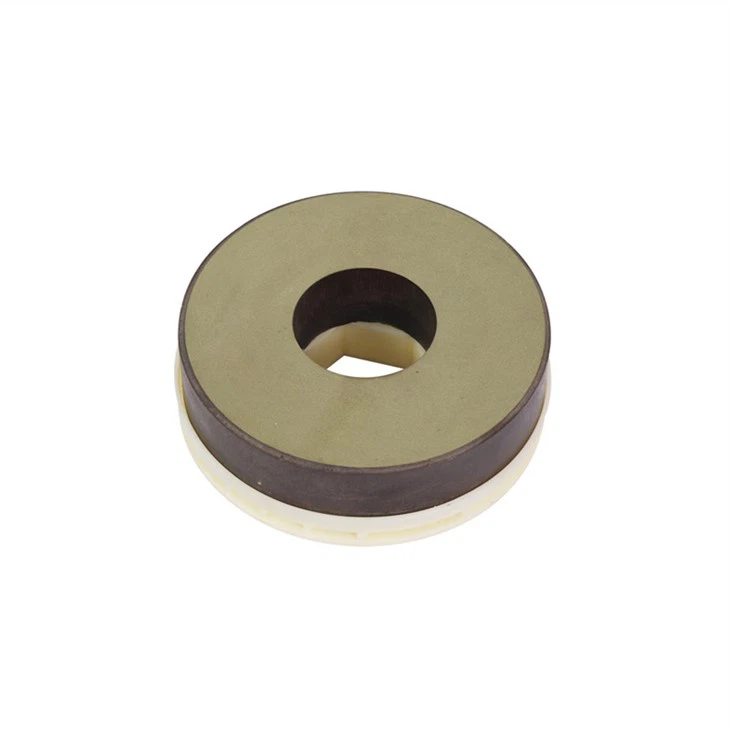

If you need a high - precision finish, like in the manufacturing of precision parts for aerospace or medical devices, you'll want to use a fine - grit wheel. These wheels have smaller abrasive particles that can create a much smoother and more accurate surface.
For example, if you're working on a Polishing Wheel Wool application, a coarse - grit wheel would be completely wrong. The goal here is to achieve a mirror - like finish, and a coarse - grit wheel would only damage the surface and make it harder to achieve the desired result.
Other Considerations
When using a coarse - grit grinding wheel, there are a few other things to keep in mind. The speed at which you run the wheel is crucial. Running the wheel too fast can cause the abrasive particles to break off prematurely, reducing the wheel's effectiveness and potentially causing damage to the workpiece. On the other hand, running it too slow may not provide enough cutting action.
You also need to make sure you're using the right type of coolant or lubricant. Some grinding operations generate a lot of heat, and using a coolant can help keep the wheel and the workpiece cool, preventing damage and extending the life of the wheel.
Conclusion
So, to sum it up, you should use a coarse - grit grinding wheel when you need to remove a large amount of material quickly, for initial shaping, deburring, and surface preparation. But remember, it's not suitable for achieving a smooth, polished finish.
If you're in the market for high - quality grinding wheels, we've got you covered. Whether you need a Dry Squaring Wheel, a wheel for casting, or something else, we have a wide range of products to meet your needs.
If you have any questions or want to discuss your specific grinding requirements, don't hesitate to reach out. We're here to help you find the perfect grinding wheel for your job.
References
- "Grinding Technology: Theory and Applications of Machining with Abrasives" by Wayne R. Kline
- "Handbook of Abrasive Technology" edited by Stuart Malkin and Werner König