

How to sharpen a knife with a grinding wheel correctly?
Sharpening a knife with a grinding wheel is a skill that combines art and science. As a grinding wheel supplier, I've seen firsthand the transformative power of a well - sharpened blade and the importance of using the right tools and techniques. In this blog, I'll guide you through the process of correctly sharpening a knife with a grinding wheel, ensuring you achieve the best results every time.
Understanding Your Grinding Wheel
Before you start sharpening, it's crucial to understand the different types of grinding wheels available. At our supply, we offer a variety of options, each designed for specific tasks.
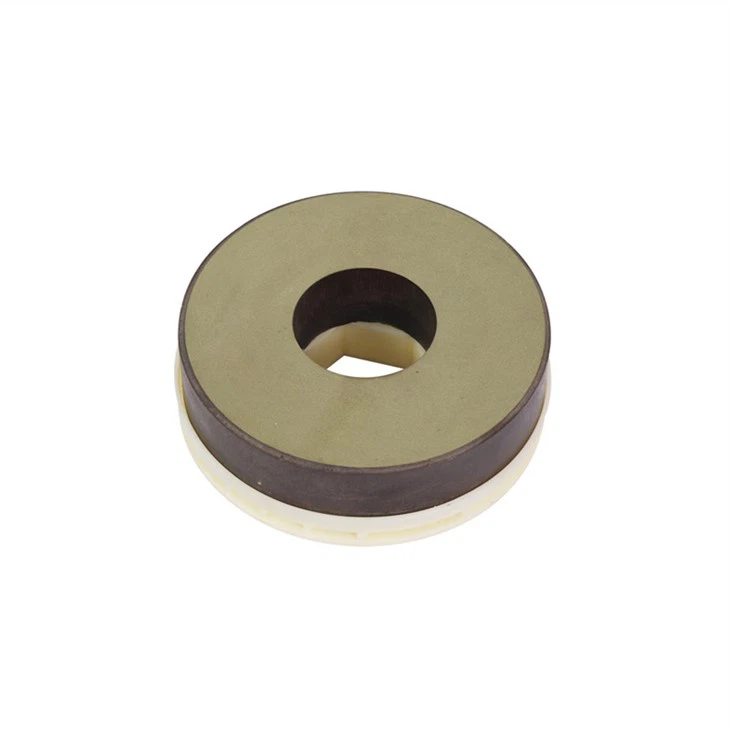

The Wet Edge Polishing Wheel is ideal for the final stages of knife sharpening. It provides a smooth, polished edge, enhancing the knife's cutting performance and giving it a professional finish. This wheel is made with fine abrasive particles that gently remove material while minimizing heat buildup, which can damage the knife's temper.
The Wet Edge Grinding Wheel is a workhorse for the initial sharpening process. It has coarser abrasive grains that can quickly remove large amounts of metal, reshaping a dull or damaged edge. The wet edge design helps to keep the wheel cool and prevent the knife from overheating, which is essential for maintaining the integrity of the blade.
If you're working with cast knives, the Grinding Wheels For Casting are your go - to choice. These wheels are specifically engineered to handle the unique properties of cast metals, providing a consistent and efficient sharpening experience.
Preparing for Sharpening
- Safety First: Safety should always be your top priority when working with a grinding wheel. Wear safety goggles to protect your eyes from flying debris, gloves to prevent cuts, and ear protection if the grinding wheel is noisy. Make sure your work area is well - ventilated to avoid inhaling dust particles.
- Inspect the Knife: Examine the knife thoroughly before sharpening. Look for any signs of damage, such as chips or cracks. If the knife is severely damaged, it may need to be repaired or replaced before sharpening.
- Set Up the Grinding Wheel: Ensure the grinding wheel is properly mounted and balanced. Check the speed rating of the wheel and make sure your grinder is set to the appropriate speed. A wheel spinning too fast can cause excessive heat and damage to the knife, while a wheel spinning too slowly may not be effective in sharpening.
The Sharpening Process
- Establish the Bevel Angle: The bevel angle is the angle at which the edge of the knife is sharpened. Different types of knives require different bevel angles. For example, a chef's knife typically has a bevel angle of 15 - 20 degrees per side, while a hunting knife may have a bevel angle of 20 - 25 degrees per side. Use a sharpening guide or a jig to help you maintain a consistent bevel angle throughout the sharpening process.
- Initial Grinding: If the knife is very dull or has a damaged edge, start with the Wet Edge Grinding Wheel. Hold the knife firmly against the wheel at the established bevel angle. Apply light pressure and move the knife back and forth across the wheel, making sure to cover the entire length of the blade. Keep the knife wet by periodically dipping it in water or using a coolant system to prevent overheating.
- Refining the Edge: Once you've established the basic bevel, switch to a finer - grit grinding wheel or use the Wet Edge Polishing Wheel to refine the edge. This will remove any burrs or rough spots left from the initial grinding and create a smoother, sharper cutting edge. Again, maintain the bevel angle and move the knife across the wheel in a consistent manner.
- Testing the Edge: After sharpening, carefully test the edge of the knife. You can do this by gently slicing through a piece of paper or making a light cut on a soft material. If the knife cuts smoothly and cleanly, the edge is sharp. If not, you may need to go back and continue sharpening.
Tips for Success
- Maintain a Consistent Angle: Keeping a consistent bevel angle is crucial for achieving a sharp and even edge. Practice holding the knife at the correct angle before you start sharpening, and use a guide or jig if necessary.
- Control the Pressure: Applying too much pressure can cause the knife to overheat and damage the edge. Use light, even pressure and let the grinding wheel do the work.
- Keep the Wheel Clean: A dirty or clogged grinding wheel will not perform as effectively. Regularly clean the wheel to remove any debris or metal particles that may have accumulated on the surface.
Contact for Procurement
Sharpening a knife with a grinding wheel is a rewarding skill that can extend the life of your knives and improve their performance. As a grinding wheel supplier, we're committed to providing you with the highest - quality products and the knowledge you need to achieve the best results. If you're interested in purchasing our grinding wheels or have any questions about the sharpening process, we invite you to contact us for procurement and further discussion. Our team of experts is ready to assist you in finding the right grinding wheel for your needs.
References
- "Knife Sharpening Basics" - A comprehensive guidebook on knife sharpening techniques.
- Manufacturer's manuals for grinding wheels, which provide detailed information on product specifications and usage.