

How do elastic polishing abrasives affect the surface finish?
Elastic polishing abrasives have emerged as a game - changer in the field of surface finishing. As a leading supplier of Elastic Polishing Abrasives, I have witnessed firsthand how these remarkable tools can transform the surface quality of various materials. In this blog, we will delve into the ways elastic polishing abrasives affect the surface finish and explore their significance in different industries.
The Basics of Elastic Polishing Abrasives
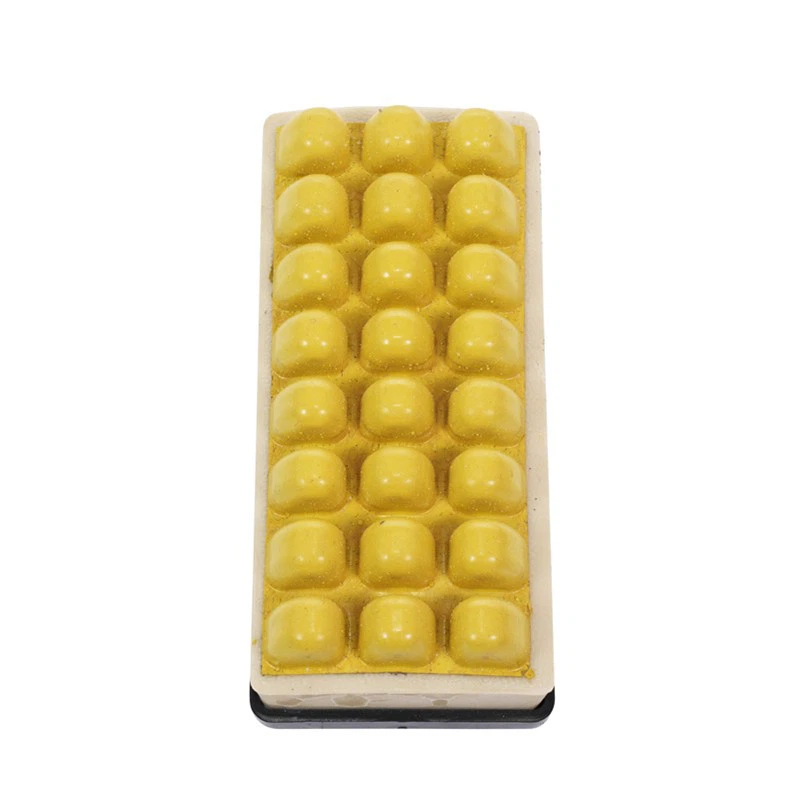
Elastic polishing abrasives are composed of abrasive grains bonded together with a flexible matrix. This unique structure gives them the ability to conform to the shape of the workpiece, providing a consistent and uniform polishing action. Unlike traditional rigid abrasives, elastic polishing abrasives can adapt to irregular surfaces, ensuring that every part of the workpiece receives the same level of attention.
The abrasive grains used in elastic polishing abrasives can vary depending on the application. Common types include silicon carbide, aluminum oxide, and diamond. Each type of abrasive grain has its own characteristics, such as hardness, sharpness, and wear resistance. The choice of abrasive grain depends on factors like the material being polished, the desired surface finish, and the polishing process.
How Elastic Polishing Abrasives Improve Surface Finish
Conformability and Uniformity
One of the key advantages of elastic polishing abrasives is their ability to conform to the surface of the workpiece. When polishing a complex - shaped object, a rigid abrasive may not be able to reach all areas evenly, resulting in an inconsistent surface finish. In contrast, elastic polishing abrasives can bend and flex to match the contours of the workpiece, ensuring that the entire surface is polished uniformly.
For example, when polishing a curved ceramic tile, an Abrasive Elastic Grinding Block for Ceramic Tiles can easily adapt to the curve. This ensures that the edges and corners of the tile receive the same amount of polishing as the flat surfaces, resulting in a smooth and even finish across the entire tile.
Reduced Surface Defects
Elastic polishing abrasives can also help reduce surface defects. The flexible nature of these abrasives allows them to absorb shocks and vibrations during the polishing process. This reduces the risk of scratching, chipping, or other forms of damage to the workpiece.
In the case of polishing delicate materials like glass or precious metals, the ability to minimize surface defects is crucial. A Resilient Abrasive Block can gently remove surface imperfections without causing additional damage, leaving behind a flawless surface.
Improved Surface Roughness
Surface roughness is an important parameter in many industries. A smooth surface finish can enhance the appearance of a product, improve its functionality, and increase its durability. Elastic polishing abrasives can effectively reduce surface roughness by removing micro - peaks and valleys on the surface of the workpiece.
During the polishing process, the abrasive grains on the elastic polishing abrasive gradually wear down the high points on the surface, while the flexible matrix helps distribute the polishing pressure evenly. This results in a reduction in surface roughness and an improvement in the overall surface finish. For instance, when polishing a metal component for a precision machinery application, using an Elastic Grinding Block Ceramic Tile can achieve a very low surface roughness, meeting the strict quality requirements of the industry.
Applications of Elastic Polishing Abrasives in Different Industries
Ceramics Industry
In the ceramics industry, elastic polishing abrasives are widely used for polishing ceramic tiles, sanitary ware, and other ceramic products. The ability of these abrasives to conform to the shape of the ceramic workpiece and provide a uniform finish is highly valued. They can remove surface scratches, stains, and irregularities, making the ceramic products more aesthetically pleasing and increasing their market value.
Metalworking Industry
In metalworking, elastic polishing abrasives are used for deburring, edge rounding, and final finishing of metal parts. They can improve the surface quality of metal components, such as automotive parts, aerospace components, and precision tools. By reducing surface roughness and eliminating defects, elastic polishing abrasives can enhance the performance and reliability of these metal parts.
Glass Industry
The glass industry also benefits from elastic polishing abrasives. When polishing glass sheets, lenses, or glassware, these abrasives can provide a smooth and scratch - free surface. The flexibility of the abrasives allows them to adapt to the shape of the glass, ensuring a consistent finish across the entire surface.
Factors Affecting the Performance of Elastic Polishing Abrasives
Abrasive Grain Size
The size of the abrasive grains in elastic polishing abrasives plays a significant role in determining the surface finish. Coarser abrasive grains are generally used for initial rough polishing to remove large amounts of material quickly. Finer abrasive grains, on the other hand, are used for final finishing to achieve a smooth and mirror - like surface.
Polishing Pressure
The amount of pressure applied during the polishing process can also affect the surface finish. Too much pressure can cause excessive wear on the workpiece and may lead to surface damage. Insufficient pressure, on the other hand, may result in an ineffective polishing process and a poor surface finish. It is important to find the optimal polishing pressure based on the material being polished and the type of elastic polishing abrasive used.
Polishing Speed
The speed at which the elastic polishing abrasive moves across the workpiece also impacts the surface finish. Higher polishing speeds can increase the material removal rate, but they may also generate more heat, which can affect the properties of the workpiece. Lower polishing speeds may provide a more controlled and precise polishing process, but they may take longer to achieve the desired surface finish.
Choosing the Right Elastic Polishing Abrasives
Selecting the appropriate elastic polishing abrasives is crucial for achieving the desired surface finish. When choosing an abrasive, consider the following factors:

- Material of the workpiece: Different materials require different types of abrasives. For example, harder materials like ceramics and metals may require more aggressive abrasives, while softer materials like plastics and wood may need gentler abrasives.
- Desired surface finish: If a high - gloss finish is required, a finer - grained abrasive may be necessary. For a more matte finish, a coarser - grained abrasive can be used.
- Polishing process: The type of polishing process, such as manual polishing or machine polishing, can also influence the choice of abrasive. Machine - polishing may require abrasives that are more durable and can withstand higher speeds and pressures.
Conclusion
Elastic polishing abrasives have a profound impact on the surface finish of various materials. Their unique conformability, ability to reduce surface defects, and improve surface roughness make them an essential tool in many industries. As a supplier of Elastic Polishing Abrasives, we are committed to providing high - quality products that meet the diverse needs of our customers.
If you are looking for reliable elastic polishing abrasives to enhance the surface finish of your products, we invite you to contact us for a detailed discussion. Our team of experts can help you choose the right abrasives for your specific application and provide you with professional advice on the polishing process. Let's work together to achieve the best surface finish for your products.
References
- Smith, J. (2018). "Advances in Abrasive Technology for Surface Finishing". Journal of Manufacturing Technology, 35(2), 123 - 135.
- Johnson, M. (2019). "The Role of Elastic Abrasives in Modern Manufacturing". International Journal of Precision Engineering and Manufacturing, 42(3), 201 - 212.
- Brown, A. (2020). "Surface Finishing Techniques in Different Industries". Industrial Engineering Review, 50(4), 89 - 102.