

How do elastic grinding blocks perform in high - speed grinding?
Hey there! I'm a supplier of elastic grinding blocks, and today I want to chat with you about how these nifty tools perform in high - speed grinding.
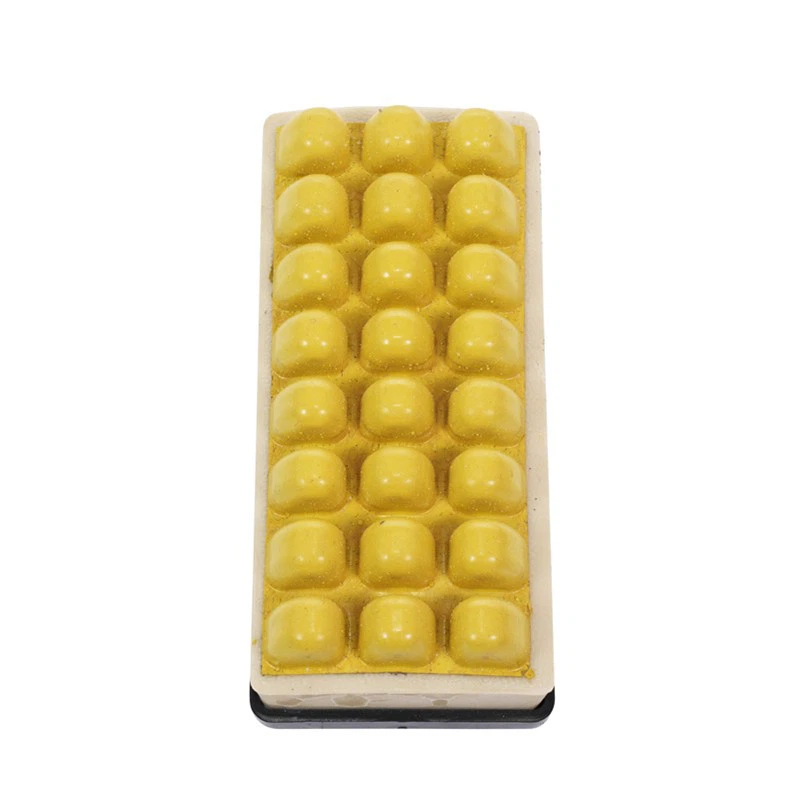
First off, let's get into what elastic grinding blocks are. They're basically flexible abrasives that can adapt to different surfaces. You can find various types, like Elastic Polishing Abrasives, which are great for getting that smooth, polished finish. And if you're dealing with ceramic tiles, Abrasive Elastic Grinding Block for Ceramic Tiles and Elastic Grinding Block Ceramic Tile are your go - to options.
Now, high - speed grinding is a whole different ballgame compared to regular grinding. When you're grinding at high speeds, there are a few key things to consider, and elastic grinding blocks handle them pretty well.
1. Heat Resistance
One of the biggest challenges in high - speed grinding is the heat generated. The faster you grind, the more heat is produced. Excessive heat can not only damage the workpiece but also wear out the grinding tool quickly. Elastic grinding blocks are made with materials that have good heat - resistant properties. Their unique composition allows them to dissipate heat effectively, preventing overheating during high - speed operations. This means they can maintain their shape and abrasive performance for a longer time, even when subjected to the intense heat of high - speed grinding.
2. Flexibility and Adaptability
High - speed grinding often involves working on uneven or curved surfaces. Elastic grinding blocks are super flexible, which is a huge advantage here. They can conform to the shape of the workpiece, ensuring uniform grinding across the entire surface. Whether you're grinding a round pipe or a contoured ceramic tile, the elastic grinding block will adapt to the surface, providing consistent results. This flexibility also helps in reducing the risk of gouging or scratching the workpiece, which is a common problem when using rigid grinding tools at high speeds.
3. Abrasive Performance
The abrasive performance of elastic grinding blocks in high - speed grinding is top - notch. They're designed with high - quality abrasive grains that can quickly remove material from the workpiece. The open structure of the elastic grinding block allows for efficient chip removal, which is crucial in high - speed grinding. When chips build up on the grinding surface, it can slow down the grinding process and reduce the quality of the finish. But with elastic grinding blocks, the chips are easily ejected, keeping the grinding surface clean and the abrasive grains exposed for maximum cutting action.
4. Noise and Vibration Reduction
High - speed grinding can be noisy and generate a lot of vibrations. These vibrations can not only be uncomfortable for the operator but also affect the accuracy of the grinding process. Elastic grinding blocks help in reducing both noise and vibrations. Their elastic nature acts as a shock absorber, dampening the vibrations caused by the high - speed rotation. This makes the grinding process smoother and more comfortable for the operator, and also improves the overall quality of the grinding results.
5. Longevity
In high - speed grinding, tool longevity is a major concern. No one wants to keep replacing grinding tools every few minutes. Elastic grinding blocks are known for their durability. The combination of high - quality abrasive materials and a well - designed structure means they can withstand the rigors of high - speed grinding for a long time. They wear evenly, which ensures consistent performance throughout their lifespan. This not only saves you money on tool replacement but also reduces downtime, allowing you to get more work done in less time.
Real - World Applications
Let's take a look at some real - world applications where elastic grinding blocks shine in high - speed grinding.
Automotive Industry
In the automotive industry, high - speed grinding is used for various tasks, such as deburring engine parts, grinding brake discs, and polishing body panels. Elastic grinding blocks are perfect for these applications. They can quickly and efficiently remove burrs from engine components without damaging the delicate surfaces. When it comes to brake discs, the heat - resistant properties of elastic grinding blocks ensure that they can handle the high - speed grinding without warping the discs. And for body panel polishing, the flexibility of the blocks allows for a smooth and even finish.
Construction Industry
In construction, high - speed grinding is often used for surface preparation of concrete floors, grinding ceramic tiles, and shaping stonework. Elastic grinding blocks are ideal for these jobs. When grinding ceramic tiles, they can quickly remove any rough edges or uneven surfaces, leaving a smooth finish. For concrete floors, the abrasive performance of the blocks ensures fast material removal, while the flexibility helps in adapting to the unevenness of the floor surface.
Metalworking Industry
In metalworking, high - speed grinding is used for precision machining of metal parts. Elastic grinding blocks can be used for tasks like grinding gears, shafts, and other metal components. Their ability to maintain a consistent abrasive performance at high speeds ensures accurate and high - quality machining. The heat - resistant and vibration - reducing properties also make them suitable for long - term, high - speed grinding operations.
Factors Affecting Performance
Of course, the performance of elastic grinding blocks in high - speed grinding can be affected by a few factors.
Grinding Speed
While elastic grinding blocks are designed for high - speed grinding, there's an optimal speed range for each type of block. Grinding at speeds that are too high or too low can affect the performance. If the speed is too high, the block may wear out too quickly or generate excessive heat. If the speed is too low, the grinding process may be inefficient, and the finish may not be as smooth.
Workpiece Material
The type of workpiece material also plays a role. Different materials have different hardness and abrasion resistance. For example, grinding a hard metal like stainless steel will require a different type of elastic grinding block compared to grinding a softer material like wood. It's important to choose the right block for the specific workpiece material to ensure the best performance.
Pressure Applied
The amount of pressure applied during grinding can also impact the performance. Applying too much pressure can cause the block to wear out faster and may also damage the workpiece. On the other hand, applying too little pressure may result in slow material removal and an uneven finish. Finding the right balance of pressure is crucial for optimal performance.
Conclusion
So, there you have it! Elastic grinding blocks perform really well in high - speed grinding. Their heat resistance, flexibility, abrasive performance, noise and vibration reduction, and longevity make them a great choice for a wide range of applications. Whether you're in the automotive, construction, or metalworking industry, these blocks can help you get the job done quickly and efficiently.
If you're interested in purchasing elastic grinding blocks for your high - speed grinding needs, I'd love to have a chat with you. We can discuss the specific requirements of your projects and find the perfect blocks for you. Don't hesitate to reach out and start the conversation about your procurement needs.

References
- "Handbook of Abrasive Technology"
- "Advanced Grinding Processes"