

Can white resin powder be used in the production of inks?
Can white resin powder be used in the production of inks? That's a question I get asked a lot as a white resin powder supplier. And the answer is a resounding yes! In this blog post, I'm gonna break down why white resin powder is a great option for ink production, the types of white resin powder that work well, and how you can get started using it in your ink manufacturing process.
Why White Resin Powder in Ink Production?
First off, let's talk about what makes white resin powder such a good fit for inks. Resins are a key component in inks because they act as a binder. They hold all the other ingredients together, like pigments and solvents, and help the ink adhere to the printing surface. White resin powder, in particular, offers some unique advantages.
One of the main benefits is its color. White is a neutral base color that can be easily tinted to create a wide range of hues. This means you can use white resin powder as a starting point to formulate custom - colored inks. Whether you're looking to create bright, vivid colors or more muted tones, white resin powder gives you the flexibility to do so.
Another advantage is its compatibility with different printing methods. Whether you're using offset printing, flexography, or screen printing, white resin powder can be formulated to meet the specific requirements of each process. It can provide good flow properties, which are essential for smooth printing, and it can also offer excellent adhesion to various substrates, including paper, plastic, and metal.
Types of White Resin Powder for Ink Production
There are several types of white resin powder that are commonly used in ink production. Let's take a look at a few of them:
White Phenolic Resin Powder
White phenolic resin powder is a popular choice for ink manufacturers. It has excellent heat resistance and chemical resistance, which makes it suitable for inks that need to withstand harsh environmental conditions. For example, inks used for printing on automotive parts or industrial equipment often contain white phenolic resin powder. You can find out more about White Phenolic Resin Powder on our website.
This type of resin powder also offers good adhesion to different surfaces, ensuring that the ink stays in place once it's printed. It can be used in both solvent - based and water - based inks, giving you more options when formulating your ink products.
White Bonded Abrasive Powder
While it might seem a bit unusual at first, white bonded abrasive powder can also be used in ink production. This type of powder can add a unique texture or finish to the ink. For example, it can be used to create inks with a matte or semi - matte finish, which are popular in high - end packaging and graphic design. You can learn more about White Bonded Abrasive Powder on our site.

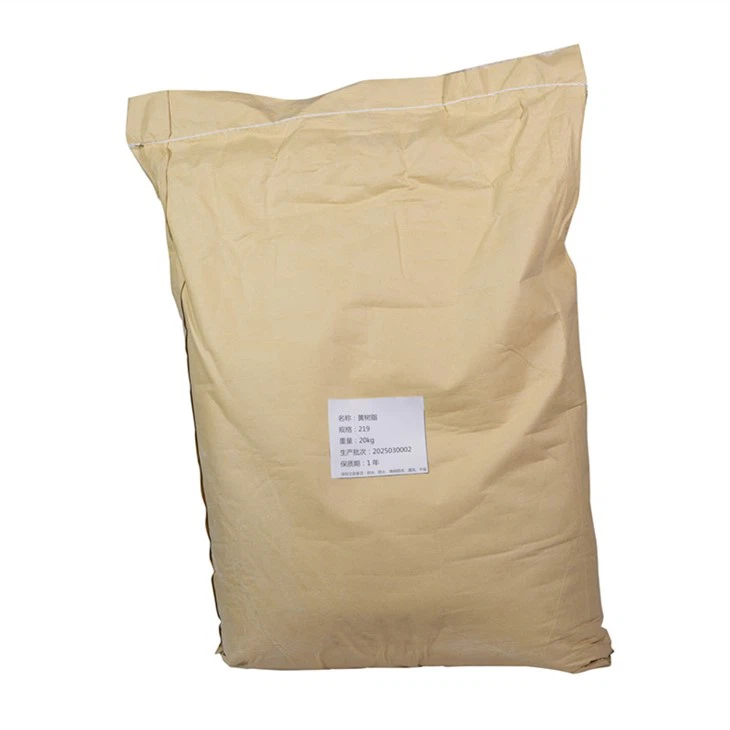
The abrasive particles in the powder can also help improve the ink's scratch resistance, making it more durable. This is especially useful for inks that will be exposed to a lot of handling or wear and tear.
White Pigment Powder for Resin
White pigment powder for resin is another option for ink production. It can be used to enhance the opacity and brightness of the ink. This is particularly important for inks that need to cover dark or colored substrates. You can get more details about White Pigment Powder for Resin on our website.
By adding white pigment powder to the resin, you can create inks that have a more consistent color and better hiding power. This can result in higher - quality prints with more vibrant colors.
How to Use White Resin Powder in Ink Production
Now that you know why white resin powder is a great option for ink production and the types available, let's talk about how to use it.
The first step is to choose the right type of white resin powder for your specific ink formulation. Consider factors such as the printing method you'll be using, the substrate you'll be printing on, and the desired properties of the ink, like color, adhesion, and durability.
Once you've selected the resin powder, you'll need to mix it with other ingredients. This usually involves adding solvents, pigments, and additives to create a homogeneous ink mixture. The mixing process is crucial, as it ensures that all the ingredients are evenly distributed and that the ink has the right consistency.
You may need to adjust the ratio of resin powder to other ingredients depending on the specific requirements of your ink. For example, if you want a more viscous ink, you might need to increase the amount of resin powder. On the other hand, if you want a thinner ink, you can reduce the amount of resin powder or add more solvent.
After mixing, it's a good idea to test the ink on a small scale. Print a sample on the substrate you'll be using and check for any issues, such as poor adhesion, color inconsistencies, or uneven flow. Make any necessary adjustments to the formulation based on the test results.
Quality Control and Testing
When using white resin powder in ink production, quality control is essential. You need to ensure that the resin powder meets the required specifications and that the final ink product is of high quality.
Start by sourcing your white resin powder from a reliable supplier. Look for a supplier who can provide you with detailed product information, including the chemical composition, particle size, and other relevant properties.
Before using the resin powder in large - scale production, conduct some basic tests. For example, you can test the solubility of the resin powder in the solvent you'll be using. You can also check the color stability of the resin powder over time to ensure that it won't change color or degrade during storage.
For the final ink product, perform a series of tests to evaluate its performance. This can include tests for adhesion, abrasion resistance, color fastness, and drying time. By conducting these tests, you can ensure that your ink meets the standards of your customers and the industry.
Conclusion
In conclusion, white resin powder is a versatile and valuable ingredient in ink production. It offers a range of benefits, including color flexibility, compatibility with different printing methods, and improved ink performance. Whether you're a small - scale ink manufacturer or a large - scale printing company, white resin powder can help you create high - quality inks that meet the needs of your customers.
If you're interested in using white resin powder in your ink production, I encourage you to reach out to us. We're a leading supplier of white resin powder, and we can provide you with the right products and technical support to help you succeed. Contact us today to start a conversation about your ink formulation needs and how our white resin powder can fit into your production process.
References
- "Ink Formulation and Printing Technology" by John Smith
- "Resins in Ink Applications" by Jane Doe
- Industry reports on ink manufacturing and resin usage