

Are there any special requirements for the spindle when using grinding wheels for casting?
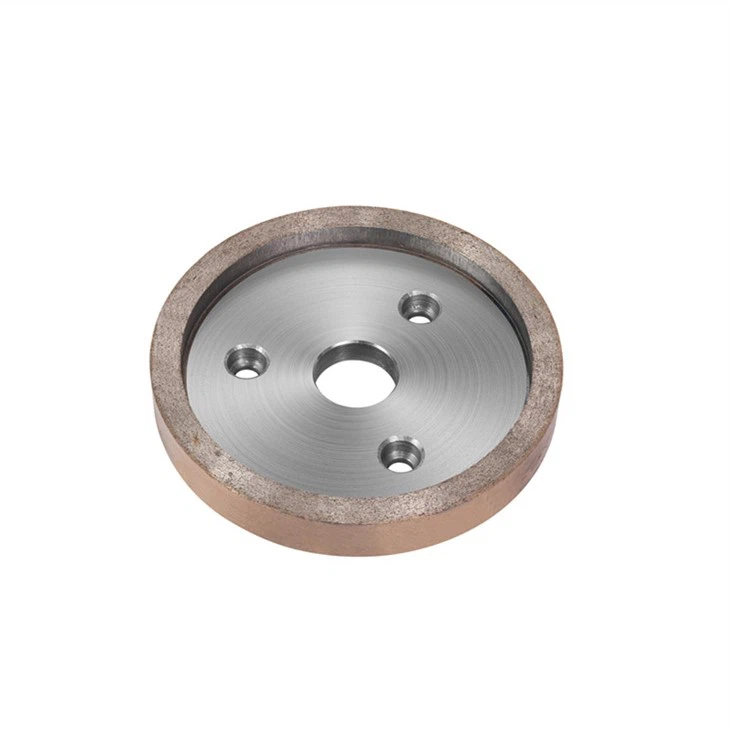
Hey there! As a supplier of Grinding Wheels For Casting, I often get asked about the special requirements for the spindle when using our grinding wheels. So, I thought I'd share some insights on this topic.
First off, let's understand the importance of the spindle in the grinding process. The spindle is like the heart of the grinding machine. It holds the grinding wheel in place and provides the necessary rotational force to make the wheel do its job. A proper spindle setup is crucial for achieving efficient and high - quality grinding results.
When it comes to using grinding wheels for casting, the spindle needs to meet certain specifications. One of the most important factors is the spindle speed. Different grinding wheels have different optimal operating speeds. For example, some of our Grinding Wheels For Casting are designed to work best at high speeds, while others are more suitable for slower rotations. Using the wrong spindle speed can lead to a bunch of problems. If the speed is too high, the grinding wheel might break or wear out too quickly. On the other hand, if the speed is too low, the grinding process will be inefficient, and you won't get the desired surface finish on the castings.
Another key requirement is the spindle's concentricity. Concentricity refers to how well the spindle is centered with the grinding wheel. If the spindle isn't concentric, the grinding wheel will wobble during operation. This can cause uneven wear on the wheel, which not only shortens its lifespan but also affects the quality of the grinding. You might end up with unevenly ground castings, which is a big no - no in the manufacturing world.
The spindle's bearing quality is also super important. Good bearings ensure smooth rotation of the spindle. If the bearings are worn out or of poor quality, the spindle will vibrate. Vibration during grinding can lead to rough surface finishes on the castings and can even damage the grinding wheel. We always recommend using high - quality bearings and regularly checking them for wear and tear.
Now, let's talk about the spindle's power. The spindle needs to have enough power to drive the grinding wheel through the casting material. Castings can be made of various materials, from soft metals to hard alloys. Harder materials require more power to grind. If the spindle doesn't have enough power, the grinding wheel will struggle to cut through the material, and the grinding process will be slow and ineffective.
When it comes to the type of grinding wheels we offer, such as Wet Edge Polishing Wheel and Radiused Felt Polishing Wheel, they also have their own unique spindle requirements. Wet edge polishing wheels are often used for finishing and polishing operations. These wheels usually require a spindle that can maintain a consistent speed, as any fluctuations can affect the polishing quality. Radiused felt polishing wheels, on the other hand, are great for achieving smooth, rounded edges on castings. They might need a spindle with a bit more flexibility in terms of speed adjustment to adapt to different polishing needs.
In addition to these technical requirements, it's also important to follow proper installation and maintenance procedures for the spindle. When installing the grinding wheel on the spindle, make sure it's properly seated and tightened. Loose wheels can be extremely dangerous and can cause accidents. Regular maintenance of the spindle, including cleaning, lubrication, and alignment checks, is essential to keep it in good working condition.
If you're in the market for grinding wheels for casting and have questions about spindle requirements, don't hesitate to reach out. We're here to help you choose the right wheels for your specific needs and ensure that you get the best performance from your grinding equipment. Whether you're a small - scale workshop or a large - scale manufacturing plant, we've got the products and expertise to support you.
In conclusion, using grinding wheels for casting requires careful consideration of the spindle's speed, concentricity, bearing quality, power, and proper maintenance. By paying attention to these factors, you can ensure a safe, efficient, and high - quality grinding process. So, if you're looking for top - notch grinding wheels and need advice on spindle compatibility, just drop us a line. We're eager to start a conversation and help you with your procurement needs.

References
- General knowledge in the field of grinding wheel technology and spindle mechanics.
- Industry best practices for using grinding wheels in casting applications.