

Are Resilient Abrasive Blocks environmentally friendly?
As a supplier of Resilient Abrasive Blocks, I've often been asked about the environmental friendliness of our products. In this blog, I'll delve into this topic, exploring the various aspects that determine whether Resilient Abrasive Blocks can be considered environmentally friendly.
Understanding Resilient Abrasive Blocks
Resilient Abrasive Blocks are versatile tools used in a wide range of industries, from construction to manufacturing. They are designed to provide a flexible and efficient way to grind, polish, and finish various surfaces, including metals, ceramics, and plastics. These blocks are made up of abrasive grains bonded together with a resilient matrix, which allows them to conform to the shape of the workpiece and provide a consistent finish.
One of the key features of Resilient Abrasive Blocks is their ability to adapt to different surface profiles. This flexibility not only improves the quality of the finish but also reduces the amount of material waste generated during the grinding process. By conforming to the shape of the workpiece, the blocks can remove only the necessary amount of material, minimizing the amount of dust and debris produced.
Environmental Impact of Resilient Abrasive Blocks
To determine whether Resilient Abrasive Blocks are environmentally friendly, we need to consider several factors, including the materials used in their production, the energy consumption during manufacturing, and the waste generated during use.
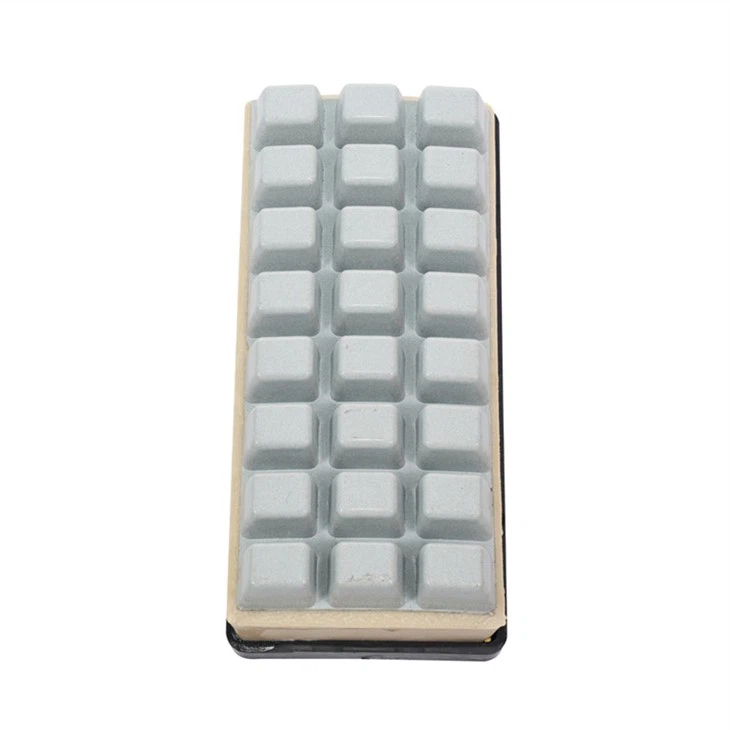

Materials
The materials used in the production of Resilient Abrasive Blocks play a crucial role in their environmental impact. Many modern Resilient Abrasive Blocks are made from synthetic materials, such as aluminum oxide and silicon carbide, which are highly durable and efficient. These materials are often sourced from sustainable mines and can be recycled at the end of their life cycle.
In addition to the abrasive grains, the bonding matrix used in Resilient Abrasive Blocks also needs to be considered. Some bonding agents, such as phenolic resins, can release harmful chemicals into the environment during the manufacturing process. However, many manufacturers are now using more environmentally friendly bonding agents, such as water-based resins, which reduce the emission of volatile organic compounds (VOCs) and other pollutants.
Energy Consumption
The energy consumption during the manufacturing of Resilient Abrasive Blocks is another important factor to consider. The production process typically involves several steps, including mixing the abrasive grains and bonding agents, shaping the blocks, and curing them at high temperatures. These processes require a significant amount of energy, which can contribute to greenhouse gas emissions and other environmental impacts.
To reduce the energy consumption during manufacturing, many manufacturers are adopting more energy-efficient technologies and processes. For example, some companies are using solar power to generate electricity for their factories, while others are implementing energy management systems to optimize their energy use. Additionally, advancements in manufacturing technology have led to the development of more efficient production methods, which require less energy and produce less waste.
Waste Generation
The waste generated during the use of Resilient Abrasive Blocks is also a concern. As the blocks wear down during the grinding process, they produce dust and debris, which can be harmful to the environment and human health if not properly managed. In addition, the used blocks themselves need to be disposed of in an environmentally friendly manner.
To minimize the waste generated during use, many manufacturers are developing Resilient Abrasive Blocks that are more durable and have a longer lifespan. This reduces the frequency of block replacement and the amount of waste generated. Additionally, some companies are offering recycling programs for used blocks, which allows the materials to be reused in the production of new blocks.
Benefits of Using Resilient Abrasive Blocks
Despite the potential environmental impacts associated with their production and use, Resilient Abrasive Blocks also offer several benefits that can contribute to a more sustainable future.
Improved Efficiency
Resilient Abrasive Blocks are highly efficient tools that can reduce the time and energy required to complete a grinding or polishing task. By providing a consistent finish and reducing the amount of material waste generated, these blocks can help to improve the overall productivity of a manufacturing or construction process. This, in turn, can lead to a reduction in energy consumption and greenhouse gas emissions.
Versatility
Resilient Abrasive Blocks are versatile tools that can be used on a wide range of surfaces and materials. This means that a single block can be used for multiple applications, reducing the need for multiple tools and the associated environmental impacts. Additionally, the flexibility of these blocks allows them to be used in hard-to-reach areas, which can improve the quality of the finish and reduce the amount of rework required.
Reduced Maintenance
Resilient Abrasive Blocks are designed to be durable and long-lasting, which reduces the need for frequent replacement and maintenance. This not only saves time and money but also reduces the amount of waste generated. Additionally, the use of high-quality materials and advanced manufacturing techniques ensures that these blocks maintain their performance over time, providing a consistent and reliable finish.
Conclusion
In conclusion, the environmental friendliness of Resilient Abrasive Blocks depends on several factors, including the materials used in their production, the energy consumption during manufacturing, and the waste generated during use. While there are some potential environmental impacts associated with these products, many manufacturers are taking steps to reduce their environmental footprint by using more sustainable materials, adopting energy-efficient technologies, and implementing recycling programs.
As a supplier of Resilient Abrasive Blocks, I am committed to providing our customers with high-quality products that are both environmentally friendly and efficient. We work closely with our manufacturers to ensure that our products meet the highest environmental standards and are designed to minimize their impact on the environment.
If you are interested in learning more about our Resilient Abrasive Blocks or would like to discuss your specific requirements, please feel free to contact us. We would be happy to provide you with more information and help you find the right product for your needs.